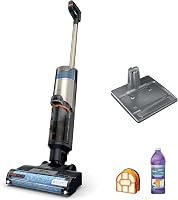
Bissell CrossWave vs Shark HydroVac: Which Is Better? (October 2026)
In this Bissell CrossWave vs Shark HydroVac comparison, choose the CrossWave Edge Cordless Plus for frequent room-to-room cleaning. Choose the HydroVac MessMaster WD161 for cleaning near outlets with a dedicated Stain Boost setting.
On this page (9 sections)
- Bissell CrossWave vs Shark HydroVac: which fits your routine?
- How do charging and outlet access affect the choice?
- Which cleaner suits food spills, hair and stubborn marks?
- Can you use both on hardwood, laminate and area rugs?
- How should you set up the cleaner before its first use?
- What cleaning habits help avoid streaks and missed patches?
- How much cleanup do the self-cleaning features leave you?
- Who should skip each cleaner?
- Bissell CrossWave vs Shark HydroVac: what should you buy?
The Bissell CrossWave Edge Cordless Plus is the better fit for moving through several rooms, while the Shark HydroVac MessMaster WD161 suits a regular cleaning area near an outlet. This Bissell CrossWave vs Shark HydroVac comparison covers those specific models, so check the full model name before buying.
Both combine vacuuming and washing for everyday floor messes. The useful distinction is how each fits your route, the marks you clean and the care you'll do afterward.


Bissell CrossWave vs Shark HydroVac: which fits your routine?
Choose the CrossWave for scattered messes across rooms and the HydroVac for a regular cleaning zone where its cord is manageable. Start with where you reach for a cleaner most often.
If crumbs collect under the breakfast table, muddy footprints cross the hall and hair gathers in another room, moving between those spots matters. A cleaner that fits that route is more useful than an extra setting you rarely need.
If most cleanup happens around the kitchen and dining area, an accessible outlet can make corded cleaning practical. You can focus on the floor without remembering to charge a battery first.
Both make sense when loose debris and washable spills commonly appear together. For dry dust alone, a regular vacuum may be enough; for a tiny isolated spill, wiping it up can avoid a full machine cleanup.
Don't buy either solely to replace every floor-care tool. Stairs, upholstery and deep carpet cleaning call for equipment suited to those jobs.
How do charging and outlet access affect the choice?
The CrossWave uses battery power, while the WD161 HydroVac is corded. Choose around the route you actually clean, including furniture and doorways.
The CrossWave removes the need to unplug between rooms, but you must keep it charged and give its charging dock a suitable home. Its runtime isn't supplied here, so confirm that detail if whole-home cleaning in one session is essential.
The HydroVac avoids a battery charging schedule. Its cord still needs a clear route, and you may have to change outlets rather than stretch across a doorway or around furniture.
Before ordering, walk from your intended storage spot to the farthest area you wash. Note where you would plug in, where a cord would cross your path and whether a charged cleaner would make those short trips easier.
Neither power source tells you how often you'll need to stop for water or tank care. Keep those stops separate from the question of battery charging.
CrossWave vs HydroVac: which suits edges and furniture?
The CrossWave's right-side ZeroGap brush roll gives you a specific side to place against baseboards. Shark describes the HydroVac as reaching edges, tight spaces and under furniture, and it includes LED headlights for dim areas.
With the Bissell, plan your direction so the right side follows the wall. Starting from the opposite end of a narrow passage may be easier than trying to turn midway through it.
The Shark weighs 10.3 lb, which is worth considering if you regularly carry a cleaner between floors. Weight alone won't tell you how comfortable a machine feels while steering.
Measure troublesome gaps before buying, especially beneath low cabinets or furniture. Don't assume either cleaner can lie flat or reach every inside corner.
Which cleaner suits food spills, hair and stubborn marks?
Both handle wet and dry floor messes, while the HydroVac adds a dedicated setting for stubborn spots. Match that extra control to your usual cleanup rather than using it for every pass.
Shark's Stain Boost delivers 2x the cleaning solution used in normal mode. That makes it a useful feature to prioritize if dried food marks are a regular part of your dining-area routine.
Extra solution doesn't mean every mark needs repeated soaking. Work within the floor's care guidance and the machine instructions, especially near joints or damaged finishes.
The CrossWave's Tangle-Free Technology is designed to reduce hair on the brush roll. That suits households where loose hair accompanies dust and crumbs, although checking the roller remains part of upkeep.
The HydroVac includes 12 oz. of multi-surface concentrate with odor-neutralizing technology. Shark says the formula removes odors from hard floors, making it relevant when washable floor odors are a regular concern.
Pick up string, wrappers, sharp pieces and oversized scraps before using either machine. Combining vacuuming and mopping doesn't make a floor washer suitable for every kind of household waste.
For pet messes, distinguish routine hair and tracked-in dirt from contamination that needs a separate cleaning method. Follow the cleaner's instructions rather than assuming floor solution disinfects.
Can you use both on hardwood, laminate and area rugs?
Both suit compatible hard floors and area rugs, but the floor or rug care instructions must allow wet cleaning. An approved machine can't make a damaged finish water-resistant.
The CrossWave supports surfaces including tile, sealed wood and laminate. The HydroVac is designed for sealed hardwood, tile, marble and laminate.
Check the finish, not just the material name. Worn patches, lifting seams or exposed wood deserve attention before you run a wet cleaner over them.
For wood floors, our guide to wet-dry vacuum mops for hardwood floors explains the moisture questions to settle first. The broader wet-dry vacuum mop guide helps you decide whether this category fits your home.
Treat rug use as surface refreshing. Bissell describes refreshing area rugs, while Shark describes removing surface dirt and odors.
Check the rug's care label, backing and placement before wet cleaning. Avoid assuming a rug is suitable because the hard floor beneath it is compatible, and let it dry before covering it with furniture or other items.
Neither model should be your main choice for a mostly carpeted home that needs deep cleaning. Read our steam mop versus wet-dry vacuum comparison if you're deciding which cleaning method your hard floors need.
How should you set up the cleaner before its first use?
Start with surface checks, correct assembly and the right solution before tackling a full room. A few minutes of preparation can prevent leaks, excess foam and an awkward storage routine.
- Read the exact model instructions. Similar names within a brand don't mean every tank, mode or care step is the same.
- Choose a dock location. Allow room to remove parts, empty tanks and handle damp components without dripping across stored belongings.
- Fit tanks and parts correctly. Check that removable pieces sit securely before filling or starting the cleaner.
- Prepare the floor. Move cables and small objects, then remove debris the machine shouldn't collect.
- Fill as directed. Follow the water temperature, fill marks and solution amount specified for your model.
- Plan an exit. Begin away from the doorway so you don't repeatedly walk across freshly washed floor.
Charge the Bissell according to its instructions before relying on it for a cleaning session. With the Shark, arrange the cord so it stays clear of the cleaning head and your walking path.
Use a solution approved for the exact machine and suitable for the floor. Dish soap and improvised mixtures can create foam or residue, so don't substitute them just because they clean other household surfaces.
Our CrossWave cleaning solution guide helps with that choice. Keep the measuring directions nearby until filling becomes familiar.
What cleaning habits help avoid streaks and missed patches?
Use controlled, overlapping passes and avoid flooding one spot. A wet-dry cleaner needs time to collect debris and recover dirty water as you move.
Work in manageable strips rather than swinging the head quickly in different directions. Overlap slightly so you don't leave narrow bands between passes.
Follow the manual's directions for dispensing solution and making recovery passes. More liquid isn't a shortcut to a cleaner floor, especially on wood or laminate.
If the floor looks streaky, check the basics before adding more detergent. An incorrect mixture, dirty roller, full dirty-water tank or debris around the head can interfere with the routine.
Stop and check the machine if pickup changes or it leaves unusual amounts of water behind. Continuing through the room can spread the problem and leave more cleanup for later.
Keep traffic off damp areas until they're dry. Pay extra attention around dining chairs, where moving furniture too soon can track dirt back onto the floor.
How much cleanup do the self-cleaning features leave you?
Both provide brush-flushing help, but neither removes the need to handle dirty water and debris. Buy one only if you're willing to finish that job after cleaning.
The CrossWave has a self-cleaning mode that flushes debris. The HydroVac runs a rinse cycle on its dock to flush the brush roll and clean the system.
Shark also uses separate clean and dirty water tanks, with dirty-water filtration designed to separate solids from liquids. Empty both types of waste according to the instructions and your local disposal guidance.
Budget time for this routine after each session:
- Empty collected dirty water promptly.
- Remove remaining debris from the tank and accessible parts as directed.
- Run the specified self-cleaning or rinse process in the required order.
- Check the roller and filter for material the cycle leaves behind.
- Let washable parts dry as instructed before storage or reassembly.
Don't leave dirty water standing until the next cleaning day. A rinse cycle can't compensate for storing a damp, dirty tank.
Keep the dock area clean too, and inspect parts before the next use. Our guides to using a Bissell CrossWave and using a Shark HydroVac explain each brand's routine in more detail.
Who should skip each cleaner?
Skip the CrossWave if charging won't fit your habits, and skip the HydroVac if a cord would obstruct your usual route. Skip both if wet cleaning isn't suitable for your floors or you won't maintain the tanks.
The Bissell is less appealing when your cleaner sits unused for long periods and you expect to grab it without checking charge. It also deserves closer scrutiny if you need a confirmed runtime for a large uninterrupted session.
The Shark is less appealing when outlets are awkward, rooms are widely separated or a cord would repeatedly cross a busy walkway. Its extra stain setting won't solve those layout problems.
Either machine can feel like unnecessary work for someone who mainly needs to wipe a few small splashes. Consider the cleanup after each use, not just the floor-cleaning step.
Before buying, check replacement roller, filter and approved solution availability for the exact model. Those are routine supplies you'll want to find easily, even when the cleaner itself still works well.
For a closer look at the Shark's features and limitations, read our HydroVac MessMaster WD161 review.
Bissell CrossWave vs Shark HydroVac: what should you buy?
Choose the CrossWave for a scattered cleaning route and the HydroVac for a repeatable route near outlets. In this Bissell CrossWave vs Shark HydroVac decision, solve your biggest daily inconvenience first.
Buy the Bissell if moving from the kitchen to the hall and another room is what slows you down. Buy the Shark if most messes stay around a dining area and you want a dedicated control for stubborn marks.
If reaching under low furniture is your main requirement, consider the Tineco Floor ONE i5 Stretch instead. Its 180° lay-flat design reaches a height of 5.1 inches when flat, and it provides dual-sided edge cleaning.
Measure the opening first, including any furniture trim that narrows access. Our Bissell CrossWave vs Tineco comparison is the next read if that alternative better matches your rooms.
| Product | Best for | Power | Surfaces | Cleanup | Our score |
|---|---|---|---|---|---|
| Bissell CrossWave Edge Cordless Plus | room-to-room cleaning | Battery powered | Hard floors and area rugs | Self-cleaning mode | 7.2 |
| Shark HydroVac MessMaster WD161 | busy dining areas | Corded | Sealed hard floors and area rugs | Rinse cycle dock | 7.1 |
Frequently asked questions
Is Bissell CrossWave better than Shark HydroVac?
The Bissell CrossWave Edge Cordless Plus is the better fit for frequent room-to-room cleanup because it runs without a cord. The Shark HydroVac MessMaster WD161 suits cleaning near accessible outlets and adds Stain Boost for stubborn spots.
Choose by your cleaning route and usual messes, rather than the brand name alone.
Can the CrossWave and HydroVac clean area rugs?
Both support area-rug cleaning, but use them for surface refreshes rather than treating them as deep carpet cleaners. Bissell describes the CrossWave as refreshing area rugs, while Shark describes surface dirt and odor removal.
Check the rug's care label and backing before wet cleaning, especially over a moisture-sensitive floor.
Which cleaner is easier to move between rooms?
The CrossWave Edge Cordless Plus is the simpler choice for moving between rooms because you don't need to relocate a plug. You still need to keep it charged.
The corded HydroVac MessMaster WD161 fits a predictable cleaning route with reachable outlets, especially when most messes stay in one area.
How do the CrossWave and HydroVac clean themselves?
The CrossWave uses a self-cleaning mode to flush debris, while the HydroVac runs a rinse cycle on its dock to flush the brush roll and clean the system. Neither removes the need to empty dirty water, clear remaining debris and care for removable parts according to the model's instructions.