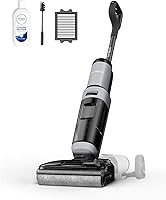
How to Use a Bissell CrossWave
To use a Bissell CrossWave, fill the clean-water tank with the approved water-and-formula mix, select a mode suited to your floor, and clean in slow, overlapping passes using your model's solution controls. Empty the dirty-water tank and complete the brush-roll care routine after each use.
On this page (7 sections)
- How do you prepare a Bissell CrossWave?
- How to use a Bissell CrossWave for an even clean
- Can a CrossWave replace your vacuum and mop?
- What should you do after cleaning?
- Which CrossWave model suits your home?
- What mistakes cause streaks, puddles, or extra work?
- How should you choose and use a Bissell CrossWave?
To use a Bissell CrossWave, fill the clean-water tank with the approved water-and-formula mix, choose a mode suited to your floor, and clean in slow, overlapping passes. Afterward, empty the dirty-water tank and clean and dry the removable parts as directed.
The key to learning how to use a Bissell CrossWave is controlling moisture and keeping the machine clean between jobs. The 3 models below vacuum and wash together, but their controls, power sources, and steam options differ.
How do you prepare a Bissell CrossWave?
Start with a clear floor, correctly fitted parts, and the right formula mix. Keep your exact model's manual nearby for fill marks, water temperature, and control instructions.
Check the floor and clear your route
Pick up toys, cords, large food scraps, and anything that could block the cleaner. Move light furniture before filling the tank so you can work without stopping to shift chairs.
Check that your floor is suitable for wet cleaning, including its finish and condition. Don't run over peeling edges, open seams, or damaged wood where moisture could seep underneath.
Plan a route from the far side of the room toward the exit. Leave yourself a dry path so you don't walk across freshly cleaned sections.
Fill and fit the tanks
Use the tank's marked quantities and the approved formula for your model. More concentrate can leave residue or create excess foam rather than improve cleaning.
For formula choices and substitutions, read what solution goes in a Bissell CrossWave. Don't pour extra cleaner directly onto the floor to treat a stubborn patch.
Check that the tanks, brush roll, cover, and filter are seated as the manual shows. Start with an empty dirty-water tank so you don't need to interrupt the first section.
For a cordless machine, check its charge before starting. With a corded model, choose an outlet that lets you keep the cable away from the cleaning head and wet floor.
How to use a Bissell CrossWave for an even clean
Work in small sections with steady, overlapping passes and controlled solution flow. Let the machine collect the dirty liquid before moving to the next section.
How to use CrossWave solution controls
Follow your model's startup steps, including any required brush wetting before the first pass. Locate the solution control and confirm which mode matches the surface you're cleaning.
Move slowly enough for the brush and suction to work across the whole path. Slightly overlap each pass so narrow strips of crumbs or dirty water aren't left between rows.
Use the manual's directions for dispensing solution and making pickup passes. Don't assume that holding a trigger continuously, or releasing it on every backward pass, is correct for every CrossWave.
Clean sticky spots without soaking them
Give a sticky patch another controlled pass if needed. Keep the head moving instead of parking it over the spot while adding more liquid.
If residue remains, check whether the floor needs an approved spot treatment. Repeatedly flooding one area is a poor fix, especially around seams or on moisture-sensitive floors.
Inspect the first section before continuing across the room. Excess water, foam, or streaks are reasons to pause and check the mix, brush condition, tank fit, and operating steps.
Can you use a Bissell CrossWave on sealed wood floors?
Use these models on sealed wood only when the floor's care instructions also allow the method. Permission to damp-clean doesn't automatically mean steam is suitable.
Keep moisture controlled and avoid damaged finish or open joints. Our guide to wet-dry vacuum mops on hardwood floors explains the surface checks that matter before cleaning.
Can a CrossWave replace your vacuum and mop?
A CrossWave combines routine vacuuming and washing on suitable floors, but it doesn't replace every cleaning tool. Keep a separate option for stairs, upholstery, tight gaps, and other areas the floor head can't reach.
A CrossWave is a type of wet-dry vacuum mop, built to collect wet and dry messes during floor washing. Removing a heavy buildup of loose hair first can still make the job easier.
These models can refresh area rugs, but that doesn't make them replacements for deep carpet cleaning. Check your model's rug instructions and the rug's care label, especially for delicate fibers, loose edges, or backing that shouldn't get wet.
If most of your home is carpeted, choose your main vacuum around that need first. Our guide to choosing a wet-dry vacuum mop helps you judge whether a floor washer fits your routine.
What should you do after cleaning?
Finish with the dirty-water tank, self-cleaning cycle, and drying routine your model requires. Brush flushing is one part of maintenance, not the whole job.
Allow time for cleanup before putting the machine away. Leaving dirty water and damp debris inside can lead to odors and make the next cleanup harder.
Run self-cleaning only in the approved tray or dock setup, with the required water and tank arrangement. Follow the specified order for emptying the tank before or after the cycle.
Before removing parts, shut down and disconnect power as instructed. Clear trapped hair and debris from accessible areas without reaching into a powered brush assembly.
Rinse washable parts and let them dry fully in a ventilated space. Follow the filter's own care instructions, and don't reinstall damp components simply to clear the counter.
Check the brush roll for remaining buildup before the next use. Tangle-reducing features help manage hair, but you should still inspect the roll.
If you're comparing care routines, the Shark HydroVac use guide covers the steps for that separate machine.
Which CrossWave model suits your home?
Choose by power source, floor type, and the messes you clean most often. Cordless movement, uninterrupted corded use, and steam serve different routines.
Edge Cordless Plus: for quick room-to-room cleanup
The Bissell CrossWave Edge Cordless Plus suits homes where moving between rooms matters more than avoiding charging. Its included charging dock needs a convenient place where you'll actually return the machine after use.
ZeroGap cleaning works on the right side of the brush roll, so plan that side along baseboards. Bissell's Tangle-Free Technology reduces hair on the roll, which helps households dealing with routine pet hair.
Choose it for frequent kitchen, entryway, and dining-area jobs without moving a power cable. Skip it if you want to start long cleaning sessions without planning around charging; no specific runtime is established here.
Edge Zero-Gap: for corded everyday floor washing
The Bissell CrossWave Edge Zero-Gap suits buyers who want corded vacuuming and washing without steam. Separate clean- and dirty-water tanks keep collected floor water apart from the fresh mix.
It weighs 9.5 pounds and includes trial-size CrossWave Pet Pro Oxy Formula, an Antimicrobial FreshStart Filter, and a Storage & Rinse Tray. Its ZeroGap edge cleaning and hair-wrap reduction suit crumbs and hair near room edges.
Choose it if accessible outlets make a cord easy to manage and you prefer avoiding battery charging. Skip it if your route involves frequent outlet changes or the cable would be a constant obstacle.
HydroSteam: for sticky kitchen messes on suitable floors
The Bissell CrossWave HydroSteam suits buyers who specifically want vacuuming, washing, and steam in one machine. Bissell describes HydroSteam as helping loosen tough grease and sticky messes.
This corded model weighs 12.5 pounds, so consider where you'll store it and whether you'll carry it between floors. It also separates clean and dirty water and has a one-touch brush-roll cleaning function.
Choose it when sticky spills are common and your floors permit steam. Skip it if your flooring rules out steam or you mainly need light daily washing; the added function wouldn't solve a useful problem.
What mistakes cause streaks, puddles, or extra work?
Check solution strength, brush cleanliness, and pickup technique before adding more cleaner. Many frustrating results start with too much liquid or dirty parts.
- Guessing the formula amount: use the marked mix instead of adding an extra splash.
- Rushing across the floor: steady passes give the cleaner time to work and collect dirty liquid.
- Ignoring tank limits: empty at the indicated point rather than trying to finish another room.
- Using a dirty brush: clear buildup before spreading it across the next section.
- Treating every mode as floor-safe: confirm steam separately from ordinary wet cleaning.
- Storing wet parts immediately: finish drying before reassembly as directed.
If the cleaner leaves unusual puddles or stops collecting normally, pause rather than continue washing. Check tank seating, accessible blockages, and the manual's troubleshooting steps before restarting.
How should you choose and use a Bissell CrossWave?
Pick the Edge Cordless Plus for room-to-room freedom, the Edge Zero-Gap for corded washing, or the HydroSteam for sticky messes on steam-safe floors. Choose around your actual cleaning route and floor care rules.
Knowing how to use a Bissell CrossWave well also means allowing time to empty, rinse, and dry it after each job. If you're deciding whether you need steam instead, read how to use a steam mop before choosing your machine.
Frequently asked questions
Do you vacuum before using a Bissell CrossWave?
You don't need a separate vacuum pass for routine debris that your CrossWave is designed to collect while washing. Pick up large objects, cords, and anything that could block the cleaner first.
For heavy loose hair or debris, removing some beforehand can reduce interruptions to empty the tank or clear the brush.
What solution should you use in a Bissell CrossWave?
Use a cleaning formula approved for your exact CrossWave model, diluted to the tank marks or manual's directions. Extra concentrate isn't a shortcut to a cleaner floor and can leave residue.
See our guide to Bissell CrossWave cleaning solution before substituting a household cleaner or another floor-washer formula.
Can you use a Bissell CrossWave on hardwood floors?
These 3 CrossWave models support sealed wood, but your floor manufacturer's care instructions must also permit the cleaning method. Check the finish and avoid damaged areas where water could enter gaps.
Steam needs separate approval, so don't assume that permission to damp-clean a wood floor also permits the HydroSteam's steam mode.
How do you clean a Bissell CrossWave after use?
Empty the dirty-water tank and run the self-cleaning cycle in the order your model requires. Disconnect power as directed before removing parts, then clear debris and rinse only washable components.
Let those parts dry fully before reassembly, and follow separate filter-care instructions rather than assuming every part can be washed.