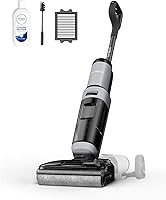
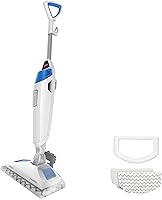
Are Wet-Dry Vacuums Good for Hardwood Floors?
Yes, a wet dry vacuum for hardwood floors can suit sealed wood when both the floor and machine instructions allow damp cleaning. Keep it moving and remove leftover moisture promptly.
On this page (9 sections)
- Is a wet-dry vacuum for hardwood floors safe?
- What can go wrong if hardwood gets too wet?
- Which features matter when choosing a hardwood floor cleaner?
- Which of these 3 machines suits your home?
- How should you set up and clean hardwood?
- Which common mistakes leave streaks or too much water?
- Should you use a steam mop instead?
- What should you do after cleaning hardwood?
- Is a wet-dry vacuum for hardwood floors worth buying?
Yes, a wet dry vacuum for hardwood floors can clean sealed wood when both the floor and machine instructions allow damp cleaning. It's useful for crumbs, small spills, and muddy tracks, provided you remove leftover moisture promptly.
The right machine should fit your rooms and your cleanup routine. Floor compatibility comes first, followed by furniture clearance, handling, and how much roller care you want to do after each session.
Is a wet-dry vacuum for hardwood floors safe?
A wet-dry vacuum can suit sealed hardwood approved for damp cleaning. A hardwood setting or wood-floor claim on a machine doesn't override your floor maker's care instructions.
Check the guide for your exact flooring and finish, including any rules about cleaning solutions. Engineered wood also needs its own care check because its wood surface and seams can still be vulnerable to moisture.
Unsealed, waxed, cracked, or worn wood needs particular care. If you can't confirm that damp cleaning is allowed, use an approved dry method until you have clear guidance.
Inspect the room before starting, especially around exterior doors, sinks, and areas where the finish has worn thin. A sealed floor can still have damaged spots that let water reach the wood.
What can go wrong if hardwood gets too wet?
Water sitting on the floor can enter seams or damaged finish and cause swelling, staining, or raised board edges. A machine that collects liquid still needs to leave the surface without puddles.
Stop if the cleaner leaves a wet trail, the finish turns cloudy, or board edges look different. Remove the moisture with a soft, dry cloth and find the cause before continuing.
Grit is another concern. A small stone caught under a wheel or cleaning head can drag across the finish, so inspect those parts as well as the floor.
Which features matter when choosing a hardwood floor cleaner?
Choose for floor compatibility, room access, and upkeep before comparing suction figures. A higher suction number doesn't measure how much moisture remains on wood or how easily you can steer around a table.
Match a wet-dry vacuum for hardwood floors to your rooms
Measure the gap under furniture you want to clean beneath. A lie-flat handle helps only if the rest of the machine fits, and a low front edge alone doesn't establish full-body clearance.
For tight dining areas, steering and room to turn matter more than a large tank. For several connected rooms, battery runtime and tank capacity become more useful, though you may still need to empty dirty water before finishing.
Runtime figures are planning guides, so leave room for slower work around furniture. If carrying the cleaner between floors is part of your routine, compare its weight before filling it.
Separate floor cleaning from roller cleaning
Self-cleaning and hot-air drying can reduce brush care, but you still need to empty the dirty-water tank. Choose these features if you clean often and want help preparing the roller for its next use.
For broader advice on machine types and upkeep, see our guide to wet-dry vacuum mops. Our cordless wet-dry floor cleaner guide also explains the tradeoffs of battery-powered cleaning.
Which of these 3 machines suits your home?
The Dreame suits buyers who want help with roller care, the roborock suits furnished rooms, and the Tineco suits low furniture with enough clearance. Choose among them after confirming that your hardwood permits damp cleaning.
Dreame H12 Pro: for frequent kitchen and entryway cleanup
The Dreame H12 Pro combines a self-cleaning cycle with hot-air roller drying. That makes it a useful choice if regular food spills or muddy tracks mean the brush needs cleaning often.
Its 900 ml tank and 35-minute battery life suit cleaning several connected areas without a cord. Dual-sided edge cleaning also helps along baseboards and cabinet runs, where crumbs tend to gather.
Choose it for a regular cleanup routine where the dock can stay near the rooms you clean. It includes a spare brush roller and replacement filter, which help you plan part changes.
Skip it if frequent carrying is your main concern: the machine weighs 10.6 lb. Dreame advises making final passes forward so the wiper bar works correctly, but remove visible moisture promptly on hardwood rather than waiting for it to evaporate.
roborock F25 GT Gen 2: for rooms with furniture to work around
The roborock F25 GT Gen 2 is the choice here for buyers who prioritize movement under and around furniture. Its 180° lie-flat design and 70° swivel steering help with those tasks.
At 8.8 lb, it's also the lightest of these 3 models. Its battery life is 38 minutes, and its tank capacity is 870 ml.
Choose it for furnished living spaces where an upright-only cleaner would leave awkward gaps. The curved comb and dual edge scraper are aimed at managing hair around the roller, making this a sensible option for shedding-pet households.
Skip it if you need a confirmed minimum furniture clearance before ordering; the lie-flat angle alone doesn't supply that measurement. Its 194°F self-cleaning system and hot-air drying concern roller care, so don't treat them as permission to apply heat to your hardwood.
Tineco Floor ONE i5 Stretch: for low furniture and hairy messes
The Tineco Floor ONE i5 Stretch is the clearest fit when under-furniture clearance drives your decision. It reclines flat with a stated height of 5.1 inches, giving you a measurement to compare with your furniture.
Its anti-tangle design directs hair into the dirty-water tank. The constant-clean brush system sprays clean water while scraping dirt from the roller during use.
Choose it for reachable spaces beneath beds or couches, especially where hair collects. Dual-sided edge cleaning also lets you work along either side of a baseboard without turning the machine around.
Skip it if your furniture gap is below the stated clearance or you need longer uninterrupted sessions than its up-to-30-minute runtime allows. Tineco calls for monthly filter and HEPA cleaning according to its instructions, so include that work in your care routine.
Compare more options in our wet-dry vacuum mops for hardwood floors guide. For a different floor care method, see how to use a steam mop.
How should you set up and clean hardwood?
Start with a clean machine, cleared floor, and correctly mixed solution. Try the approved damp-cleaning method in a small, hidden area and check the dry finish before tackling the room.
- Charge the machine and fit the roller, filter, and tanks as directed.
- Remove cords, small objects, sharp debris, and loose grit with a suitable dry vacuum.
- Check the roller and wheels for trapped particles.
- Fill the clean-water tank to its marked limit using the approved water temperature and solution dose.
- Plan a route that lets you work toward the exit.
- Make smooth, overlapping passes and inspect the surface as you go.
- Remove leftover moisture promptly with a soft, dry cloth.
Use only a solution permitted by both the machine and floor makers. Don't add extra detergent to tackle a stubborn patch; excess cleaner can leave film and create foam.
Pause to check the dirty-water tank when prompted, and follow the instructions for moving or tilting the machine. Don't assume a model can recline beyond its intended operating position without leaking.
Can you leave a wet-dry vacuum for hardwood floors in one spot?
Keep the cleaner moving while applying liquid. If you need to pause, stop and park it as its instructions direct, rather than leaving a wet roller against the wood.
For a mark that remains, use the floor maker's approved spot-cleaning method. Repeatedly soaking the same board adds moisture without solving every type of stain.
Which common mistakes leave streaks or too much water?
The main mistakes are extra detergent, dirty parts, and repeated wet passes. Fix the cause of a streak before running over the whole floor again.
If residue appears, check the solution dose and roller condition. Inspect the filter and tanks as directed if liquid pickup changes, and stop if the machine leaves puddles.
Don't improvise with vinegar, dish soap, oils, or other household cleaners unless both makers permit them. A mix that suits a bucket mop may be unsuitable for the machine's pumps, seals, or foam control.
Avoid chasing a perfectly uniform wet sheen. Your goal is a clean floor with moisture removed promptly, not an evenly soaked surface.
Should you use a steam mop instead?
Use steam only when your floor maker specifically permits it. Permission for damp cleaning doesn't automatically include heated vapor.
A wet-dry vacuum mop collects debris and dirty liquid while wiping. Steam is a different cleaning method, so it shouldn't be the automatic next step when a mark remains.
Read whether you can steam mop hardwood floors before choosing heat. Our comparison of a steam mop and wet-dry vacuum mop explains how the routines differ.
What should you do after cleaning hardwood?
Empty dirty water and clean the machine after each use, then let the required parts dry before storage. Self-cleaning helps with the roller but doesn't remove the need to dispose of collected debris.
Follow the model's sequence for running its cleaning cycle, rinsing removable parts, and drying the filter. Never reinstall a wet filter when the instructions require it to be fully dry.
Give the dock a suitable storage spot and keep the surrounding floor dry. For Tineco solution choices, see our guide to cleaning solution for Tineco floor washers.
Is a wet-dry vacuum for hardwood floors worth buying?
A wet-dry vacuum for hardwood floors is worth considering for frequent mixed messes on wood approved for damp cleaning. For mostly dry dust and occasional marks, an approved dry vacuum and lightly damp cleaning tool may be enough.
Pick the Dreame for dock-based roller care, the roborock for steering through furnished rooms, or the Tineco when its measured flat clearance fits your furniture. Skip wet cleaning when your floor's condition or care instructions rule it out.
If you're also considering heat, use our guide to steam mops for hardwood floors to compare that method with your floor's care requirements.
Frequently asked questions
Are wet-dry vacuums safe for hardwood floors?
They can suit sealed hardwood when both the floor and machine instructions allow damp cleaning. Check the finish and care guide before choosing a machine, then use the approved solution and settings.
Keep the cleaner moving and remove leftover moisture promptly, especially near seams and worn areas.
Can a wet-dry vacuum damage hardwood?
Yes, excess moisture can enter seams or damaged finish and cause swelling or staining. Grit caught under the cleaning head can also scratch the surface.
Clear sharp debris first, inspect the roller and wheels, and stop cleaning if the machine leaves puddles or the finish changes.
Should I use a wet-dry vacuum or a steam mop on hardwood?
Choose the method your floor maker permits. A wet-dry vacuum mop collects debris and dirty liquid while wiping, while a steam mop uses heated vapor.
Permission to damp mop doesn't mean steam is allowed, so check for specific steam guidance before using heat on a wood floor.
How do I avoid streaks when cleaning hardwood with a wet-dry vacuum?
Start with a clean roller, the correct solution dose, and smooth, overlapping passes. Extra detergent can leave a film, while a dirty roller can spread residue.
Follow your machine's directions for the final pass and remove remaining moisture promptly rather than making repeated wet passes over the same area.