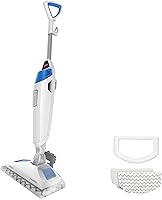
6 Best Wet Dry Vacuum for Hardwood Floors (October 2026)
The best wet dry vacuum mops for hardwood floors include the Tineco Floor ONE i5 Stretch for low furniture, the Tineco Floor ONE Stretch S6 for longer cleaning sessions, and the roborock F25 GT Gen 2 for mixed hard floors.
On this page (8 sections)
- How we chose the best wet dry vacuums for hardwood floors
- Which wet dry vacuum works best for your hardwood rooms?
- How do you choose a washer that suits your hardwood?
- How should you set up a floor washer before its first use?
- How do you clean hardwood without leaving excess moisture?
- What care does a wet-dry floor cleaner need after use?
- Which mistakes cause trouble on hardwood floors?
- Which best wet dry vacuum for hardwood floors fits your routine?
The Tineco Floor ONE i5 Stretch is our best wet dry vacuum for hardwood floors for low furniture, edges and hair, once compatibility with your floor is confirmed. Choose the Bissell CrossWave Turbo if you prefer corded power and a model intended for sealed wood.
A wet-dry floor washer suits crumbs mixed with sticky spills because it collects debris while washing. The right choice depends on your floor finish, room layout and willingness to clean the machine afterward.
Start with our guide to wet-dry vacuums for hardwood floors if you're unsure about moisture care. For a choice between tools, compare a steam mop and a wet-dry vacuum mop.
Our picks at a glance
-
1

-
2

-
3

How we chose the best wet dry vacuums for hardwood floors
We compared surface compatibility, furniture access, power source and upkeep to find different fits for hardwood homes. The order reflects those combined needs, rather than suction alone.
A cleaner must suit your floor before its other features matter. Bissell names sealed wood, while roborock and the G10 Pro name hardwood; confirm suitability for your finish with either Tineco model or the H12 Pro.
Next, we considered common cleaning routes: beneath a sofa, beside kitchen cabinets, around dining chairs and across several rooms. Carrying weight and the work left after cleaning also affect how useful a floor washer will be.
Our wet-dry vacuum mop guide explains the category's basic tradeoffs. Use the comparison below to narrow the power and weight choices before reading each product's fit.
| Product | Best for | Runtime | Weight | Power | Our score |
|---|---|---|---|---|---|
| Tineco Floor ONE i5 Stretch | low furniture | Up to 30 minutes | 4500 g | Battery | 8.9 |
| Tineco Floor ONE Stretch S6 | longer cleaning sessions | Up to 40 minutes | 9.9 lb | Battery | 8.4 |
| roborock F25 GT Gen 2 | mixed hard floors | 38 minutes | 8.8 lb | Battery | 8.0 |
| Bissell CrossWave Turbo | battery-free cleaning | Corded; no battery limit | 11 lb | Corded electric | 7.9 |
| dreame G10 Pro | daily kitchen spills | Up to 35 minutes | 11.2 lb | Battery | 7.6 |
| Dreame H12 Pro | busy dining areas | Up to 35 minutes | 10.6 lb | Battery | 7.6 |
Which wet dry vacuum works best for your hardwood rooms?
Choose the i5 Stretch for low furniture and hair, the S6 for longer cordless sessions, or the CrossWave Turbo for outlet-powered cleaning. The remaining picks suit mixed flooring, daily spills or repeated edge work.
Each recommendation assumes your floor allows the cleaning method. A named hardwood surface is a starting point, since the condition and finish of your own floor still matter.
Tineco Floor ONE i5 Stretch
- 20 kPa suction
- 180° lay-flat design
- Dual-sided edge cleaning
- Anti-tangle design
Choose it for rooms where hair gathers beneath furniture and along baseboards. Confirm that it suits your hardwood finish before use.
Pros
- Reclines fully for low spaces
- Cleans edges on both sides
- Comb removes hair from the roller
Cons
- Shortest stated cordless runtime here
- Monthly filter and HEPA care required
The i5 Stretch suits homes where the hard-to-reach dirt sits beneath sofas and beside baseboards. Its 180° reclining body measures 5.1 inches high when flat, so measure furniture clearance before ordering.
Two-sided edge cleaning lets you approach a wall from either direction. That helps when your route changes around chair legs or cabinets, although tight corners may still need a cloth.
The anti-tangle system hooks hair off the roller and draws it into the dirty-water tank. Pick this model if hair is part of your daily mess, while still allowing time to remove collected debris afterward.
Its 20 kPa suction works alongside a system that applies clean water and scrapes dirt from the roller. With up to 30 minutes of runtime, it fits focused room-by-room cleaning better than a long, uninterrupted route.
Skip it if your priority is the longest cordless session or dock-based heated drying. Tineco also calls for monthly filter and HEPA cleaning, which belongs on your maintenance calendar.
Tineco Floor ONE Stretch S6
- Up to 40 minutes runtime
- 180° lay-flat design
- Dual-sided edge cleaning
- 158°F self-cleaning and drying
The longest stated cordless runtime here suits several connected rooms. Heated self-cleaning and drying add help with roller care.
Pros
- Longest stated cordless runtime here
- Swivels while lying flat
- Heated self-cleaning and drying
Cons
- About 4.5 hours to charge
- Confirm compatibility with your hardwood finish
The Stretch S6 is the stronger fit for buyers who clean several connected rooms before putting the machine away. Its up to 40-minute runtime is the longest stated cordless figure in this group, though it isn't a floor-area guarantee.
It reclines fully and swivels left and right while flat. Mini assistive wheels help with movement in both directions, making this a sensible choice when your cleaning route includes furniture rather than mostly open space.
Its dock care is the main reason to choose it over the i5. The Flashdry cycle uses 158°F fresh water for internal cleaning, followed by heated sealed drying of the cleaning path and roller.
That heat serves machine care, not a reason to apply heat to hardwood. You'll still need to empty collected waste and follow the instructions for removable parts.
Skip the S6 if you mostly clean a small kitchen and don't need the extra runtime or drying system. Charging takes about 4.5 hours, so plan around a full recharge between longer sessions.
roborock F25 GT Gen 2
- Hardwood among supported surfaces
- 180° lie-flat reach
- 70° swivel steering
- 38-minute battery life
A fit for homes with hardwood, tile, vinyl and other hard floors. Its swivel steering and reclining body suit rooms with furniture to work around.
Pros
- Hardwood among named surfaces
- Lightest stated weight in this group
- Heated self-cleaning and hot-air drying
Cons
- One power level
- Floor-finish approval still needed
The roborock F25 GT Gen 2 suits a route that moves from hardwood into tile, vinyl, laminate or linoleum. Those named surfaces make it a practical shortlist choice for mixed hard-floor homes.
At 8.8 lb, it has the lowest stated weight here. That matters if you regularly carry the empty machine between storage and your cleaning area, although pushing feel also depends on steering and floor layout.
Its fully reclining body and 70° swivel steering suit rooms with obstacles. A curved comb and scraper system address hair at the roller, which is useful when pet hair mixes with food crumbs or tracked-in dirt.
The battery life is 38 minutes, with about 4 hours needed for charging. After floor cleaning, a 194°F self-cleaning system and hot-air drying handle part of the machine-care routine.
Skip it if area-rug refreshing is a main reason for buying, since this recommendation centers on hard floors. Check the approved solution and care method for each floor type before moving between rooms.
Bissell CrossWave Turbo

- Corded electric power
- Vacuuming and washing together
- Separate clean and dirty water
- Intended for sealed wood floors
Choose it for sealed wood and area rugs when you prefer outlet power. Separate tanks keep fresh cleaning solution apart from collected dirt.
Pros
- Sealed wood is a named surface
- No battery charging
- Can refresh area rugs
Cons
- Cord needs managing around furniture
- Heavier than several cordless picks
The CrossWave Turbo is the pick for buyers who prefer corded power and have sealed wood approved for this cleaning method. You can work without a battery countdown, with tank servicing and outlet access still shaping the session.
Its separate tanks keep fresh water and formula apart from collected dirt. That makes it useful for kitchen-to-dining-room routes where crumbs and spills appear together.
Bissell also includes area-rug refreshing, so this is the clearest fit here for hardwood rooms with rugs. Check each rug's care label before using a wet-cleaning mode, especially when it rests over wood.
The Rinse & Clean Out Storage Tray provides a place for machine cleanup and roller drying. The antimicrobial filter treatment protects the filter against odors; it doesn't replace washing and drying the parts.
Skip this model if cords catch around your furniture or your outlets make the route awkward. Its 11 lb weight also deserves attention if you expect to carry it between floors.
dreame G10 Pro

- Hardwood among named floor types
- Up to 35 minutes runtime
- Separate clean and dirty water
- One-press self-cleaning
A straightforward choice for crumbs and wet messes on approved hardwood. Separate tanks and a one-press cleaning cycle support a regular cleanup routine.
Pros
- Hardwood is a named floor type
- Collects wet and dry messes together
- Self-propelled design
Cons
- Heaviest model in this group
- No stated hot-air drying feature
The G10 Pro suits routine crumb-and-spill cleanup on approved hardwood, especially when you want cordless operation without making furniture access the main priority. Dreame names hardwood and marble among its intended floor types.
Separate clean- and dirty-water tanks keep collected mess apart from the water used for mopping. This fits everyday kitchen cleanup where a dry vacuum alone would leave sticky marks behind.
Its self-propelled design helps move the machine forward, while up to 35 minutes of runtime supports a planned cleaning route. Treat that runtime as a session limit, rather than assuming it covers every home.
The one-press self-cleaning cycle runs on the base after use. You'll still need to empty waste and dry parts as directed, so choose it only if that care fits your routine.
Skip it if low furniture or heated roller drying tops your list. At 11.2 lb, it's also the heaviest model here, which matters more when carrying it than when cleaning an open room.
Dreame H12 Pro

- Dual-sided edge-to-edge cleaning
- Up to 35 minutes runtime
- Hot-air roller drying
- 16 kPa suction
Choose it for repeated passes along dining-room walls and kitchen borders, with dock-based roller cleaning and drying afterward. Confirm hardwood-finish compatibility first.
Pros
- Dual-sided edge cleaning
- Hot-air roller drying
- Spare roller and replacement filter included
Cons
- No stated lay-flat feature
- Confirm suitability for your hardwood finish
The H12 Pro suits dining areas and kitchens where wall edges collect repeated messes. Its dual-sided roller lets you work along borders from either direction, while motor-driven forward traction helps with pushing.
The combination of 16 kPa suction and a 900 ml tank supports wet and dry cleanup. Up to 35 minutes of runtime gives it the same stated session length as the G10 Pro.
Choose it over that model when hot-air roller drying is a priority. The dock handles self-cleaning and drying, and the included spare roller and replacement filter help you plan routine part changes.
Dreame recommends making the final passes forward so the wiper bar works correctly. On hardwood, check the result as you go and remove any pooling promptly.
Skip it if reaching beneath low furniture is essential, since no lay-flat feature is specified. Confirm hardwood-finish suitability before choosing it, and remember that drying the roller doesn't remove the need to empty its dirty-water tank.
How do you choose a washer that suits your hardwood?
Choose by floor approval first, then cleaning route and aftercare. A machine that fits those needs is more useful than one chosen mainly for a higher suction number.
Floor approval comes before features
Check the care instructions for your exact flooring and finish. Solid wood, engineered wood, waxed finishes and worn surfaces can have different care needs, so the word “hardwood” alone doesn't settle the choice.
Look for damage, gaps or areas where the finish has worn away before wet cleaning. If the floor's history is unclear, ask the flooring maker or installer which damp-cleaning method is suitable.
A machine's surface guidance and your flooring instructions must agree. If either rules out the method, choose another way to clean rather than trying to compensate with quicker passes.
Match a hardwood wet-dry vacuum to your room layout
Measure the lowest gap you actually want to clean beneath. Allow room to move the handle and turn the head, since a body fitting under a sofa doesn't ensure every part of the route is reachable.
For dining rooms, think about chair spacing and the path back out. Moving a few chairs first may save more effort than choosing a machine with extra swivel movement.
Edge cleaning matters most beside long cabinet runs and baseboards. It won't replace every small cleanup around door tracks, narrow gaps or inside corners.
Choose a power source around your cleaning route
Cordless power suits short cleanups and rooms where a cord would wrap around furniture. Corded power suits longer routes when accessible outlets let you move without repeatedly changing plugs.
Leave room in your schedule for refills, waste disposal and final machine care. Battery runtime describes powered use, not the full time from taking the cleaner out to putting it away.
If freedom from outlets is your main requirement, compare our best cordless wet-dry vacuums. Then narrow the choices by your floor's care requirements.
Judge weight by carrying as well as pushing
Think about stairs, raised thresholds and where you'll empty the tanks. A machine that moves easily across one room can still be awkward to lift when you change floors.
Self-propulsion helps movement on the floor but doesn't reduce carrying weight. For a multi-level home, plan to empty tanks before carrying and follow the manual's lifting instructions.
Compare drying features with your storage habits
Hot-air drying is worth considering if you use the cleaner often and want help drying its roller. It doesn't eliminate the need to clear trapped debris, wash the dirty-water tank or maintain filters.
A basic self-cleaning cycle can be enough if you have time and space to dry removable parts correctly. Choose around the care you can complete after a small spill as well as after a full-room clean.
How should you set up a floor washer before its first use?
Start with approved solution, clear floors and a ready storage area. Getting these steps right prevents avoidable interruptions during the first cleaning session.
- Read the assembly and floor-care directions. Fit the handle, roller, tanks and filter as instructed; on the G10 Pro, the handle's self-cleaning button should face your body.
- Choose the parking spot. Put the dock or tray on a suitable level surface near power, with room to remove tanks and dry parts.
- Charge cordless models fully. Plan the first session after charging, rather than assuming the battery is ready out of the box.
- Prepare the room. Remove cords, small toys and anything that could jam the head; lift large or sharp debris separately.
- Fill to the marked line. Use the approved water temperature, formula and dilution, without adding extra solution for a dirty room.
For the CrossWave, our cleaning-solution guide explains what to check before filling the tank. Don't assume a formula suitable for one floor washer is suitable for another.
Begin in a small, out-of-the-way area permitted by your flooring instructions. Check for residue, unusual moisture or a change in appearance before continuing across the room.
How do you clean hardwood without leaving excess moisture?
Use steady passes and inspect the floor behind the head. The goal is controlled damp cleaning with prompt water recovery, rather than repeatedly soaking a stubborn mark.
Work toward an exit so you don't walk back across the damp area. Follow the machine's guidance for forward and backward movement, and avoid scrubbing one spot with repeated wet passes.
For a dried spill, use the floor-approved spot-cleaning method if normal passes don't lift it. More water isn't a safe substitute for the right approach to a stuck-on mark.
Watch seams, thresholds and furniture feet for leftover moisture. If water pools, stop, remove the excess as your floor care allows, and check tank seating, roller condition and the machine's instructions.
Keep the cleaner moving while it's operating. Park it in its designated tray or dock afterward rather than leaving a damp roller against the wood.
Wait until the floor is dry before replacing rugs or mats. Covering a damp patch can trap moisture against the finish even when the surrounding floor looks ready.
What care does a wet-dry floor cleaner need after use?
Empty dirty water and collected solids after each session, then follow the model's cleaning and drying steps. Leaving a small spill inside the tank still creates cleanup work later.
Run the self-cleaning cycle when provided, using the required water level and dock setup. Treat it as one step in the routine, followed by the manual's tank, roller and filter care.
Remove hair and food debris from accessible parts with the supplied tool or an approved cleaning method. Rinse washable parts only as directed, since not every filter or machine component can be washed.
Let removable parts dry fully before reassembly when the manual requires it. Store the machine where parts can dry as intended, rather than enclosing damp components in a cramped cabinet.
Inspect the roller and seals if pickup changes or streaks appear. For the H12 Pro, Dreame recommends roller and filter replacement every 3–6 months, with condition and the manual guiding ongoing care.
Which mistakes cause trouble on hardwood floors?
The main mistakes are too much solution, delayed cleanup and using the wrong tool for the surface. Most are avoidable before you switch the machine on.
- Adding extra detergent: Follow the marked dilution; more formula can create foam or leave residue.
- Using random household cleaners: Dish soap, oils, waxes and homemade mixes shouldn't go into the tank unless the machine instructions allow them.
- Ignoring a full dirty-water tank: Stop when directed rather than trying to finish the room first.
- Assuming heat means steam cleaning: Heated dock care cleans machine parts; it doesn't establish that steam is suitable for your hardwood.
- Treating all rugs as washable: Only use a rug mode where both the machine and rug instructions permit it.
- Skipping cleanup after a quick spill: Empty and maintain the machine even when the floor-cleaning job took only a few minutes.
If you mainly collect dry dust and rarely wash the floor, a dry vacuum plus an approved damp-cleaning tool may fit your routine better. A wet-dry washer earns its place when combined debris and wet messes are a regular task.
Which best wet dry vacuum for hardwood floors fits your routine?
Choose the i5 Stretch when low furniture, hair and baseboards define your cleaning route. Move to the Stretch S6 when longer cordless sessions and heated dock care justify the extra features.
Pick the roborock for several hard-floor types and a lower carrying weight. Choose the CrossWave Turbo when you prefer corded power and want to refresh suitable area rugs alongside approved sealed wood.
The G10 Pro fits regular kitchen spills with straightforward self-cleaning. The H12 Pro fits buyers who prioritize edge passes and roller drying over low-furniture access.
The best wet dry vacuum for hardwood floors is the one approved for your finish that you can comfortably use and maintain. Before committing to cordless power, use our complete guide to cordless wet-dry floor cleaners to plan charging, storage and daily care.
Our top 3 picks at a glance
-
1
-
2
-
3
Frequently asked questions
Can you use a wet dry vacuum on hardwood floors?
Yes, on hardwood approved for damp cleaning, with a machine and solution suitable for that finish. Check the flooring care instructions first, especially around worn spots or open seams.
Keep the machine moving, collect excess moisture promptly, and avoid leaving a wet roller parked on the wood.
Which wet dry vacuum mop is best for hardwood floors?
The Tineco Floor ONE i5 Stretch is our top choice for low furniture, edges and hair once floor compatibility is confirmed. Choose the Bissell CrossWave Turbo if you want corded power and a model that specifically names sealed wood.
Your floor's care requirements should decide which option you can use.
Are wet dry vacuum mops safe for hardwood?
They can suit sealed hardwood when both the floor and machine instructions allow that cleaning method. A sealed surface still needs careful moisture control, particularly at joints and damaged areas.
For waxed, unsealed or worn wood, get a suitable cleaning method from the flooring maker before using a floor washer.
What should you check before choosing a hardwood floor washer?
Check floor-finish approval, the allowed cleaning solution and the care required after each use. Then match furniture clearance, machine weight and power source to your rooms.
Battery runtime matters for longer routes, while a convenient place to empty tanks and dry parts matters after every cleanup.