5 Best Steam Mops for Hardwood Floors (October 2026)
The best steam mops for sealed hardwood floors include the Shark Steam & Scrub S8001 for busy mixed-floor homes, the Bissell PowerFresh 1940A for room-to-room cleaning, and the Shark Steam & Scrub S8002BRN for routine floor upkeep.
On this page (14 sections)
- Which is the best steam mop for hardwood floors?
- How we chose these hardwood steam mops
- Steam mop features compared for hardwood
- Shark Steam & Scrub S8001: For busy mixed-floor homes
- Bissell PowerFresh 1940A: For longer cleaning routes
- Shark Steam & Scrub S8002BRN: For routine floor upkeep
- Bissell PowerFresh Deluxe 1806: For targeted kitchen cleanup
- Shark Steam Mop S1000: For easier carrying
- Can steam damage hardwood floors?
- How to choose a steam mop for wood floors
- How should you set up a steam mop on hardwood?
- How do you care for pads and the mop after cleaning?
- Which steam-mopping mistakes should you avoid on wood?
- Which steam mop should you choose for hardwood floors?
The best steam mop for hardwood floors is the Shark Steam & Scrub S8001 when your flooring manufacturer explicitly permits steam. Its powered pads suit busy homes with compatible wood and other sealed hard floors, while the lighter Shark S1000 makes more sense if carrying weight comes first.
Before choosing a mop, confirm how your floor should be cleaned. A steam mop designed for sealed hardwood still needs to match the care rules for your particular flooring.
Start with whether you can steam mop hardwood floors if that approval is unclear. Our hardwood floor cleaner guide explains another cleaning approach, and how to use a steam mop covers the basic routine.
Our picks at a glance
-
1

-
2

-
3

- 4
 Check it
Bissell PowerFresh Deluxe 1806
Best for targeted kitchen cleanup - 5
 Best for carrying between floorsCheck it
Which is the best steam mop for hardwood floors?
The Shark Steam & Scrub S8001 is the strongest choice here for buyers who want powered scrubbing and several cleaning modes. The Bissell PowerFresh 1940A suits longer cleaning routes, while the Shark S1000 suits carrying between rooms or floors.
Choose by the work you need to do after confirming floor compatibility. Occasional light cleaning, regular kitchen grime and cleaning several different hard surfaces call for different features.
Shark Steam & Scrub S8001
- 3 steam modes
- Powered rotating pads
- LED headlights
- 4 machine-washable pads included
Choose the S8001 for powered pad scrubbing and cleaning choices across approved sealed floors. Its extra pads help when one set needs washing before the next cleanup.
Pros
- Powered rotating pads
- LED headlights reveal debris
- 4 washable pads included
Cons
- Heavier than the S1000
- Deep mode may be unnecessary for your routine
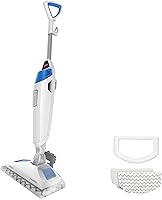
Bissell PowerFresh 1940A
- 3 steam settings
- Flip-down Easy Scrubber
- 23 ft power cord
- Removable water tank
The longer cord suits cleaning routes that cross a room or doorway. A flip-down scrubber gives you a separate tool for compatible surfaces with dried-on grime.
Pros
- 23 ft cord extends reach
- Flip-down Easy Scrubber
- Tank removes for sink filling
Cons
- No powered rotating pads
- Scrubber use needs floor-specific approval
Shark Steam & Scrub S8002BRN
- Light and Normal steam modes
- Powered rotating pads
- Swivel steering
- 2 washable pads included
Pick this model for powered scrubbing when your routine doesn't call for a Deep setting. Swivel steering helps you work around furniture on approved sealed floors.
Pros
- Powered rotating pads
- Removable water tank
- Swivel steering
Cons
- No Deep steam mode
- Fewer included pads than the S8001
Bissell PowerFresh Deluxe 1806
- High and Low steam modes
- SpotBoost Brush
- 30-second warm-up
- Measuring cup included
The SpotBoost Brush suits isolated sticky spots on surfaces that permit brush cleaning. Cup filling makes this a different choice from the removable-tank models.
Pros
- Dedicated SpotBoost Brush
- Quick warm-up
- Included measuring cup
Cons
- Only 2 steam settings
- Cup filling instead of a removable tank
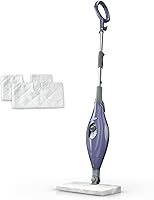
Shark Steam Mop S1000
- 4.6 lb weight
- Removable water tank
- Swivel steering
- 2 machine-washable pads included
The lightest model here suits buyers who carry their mop upstairs or between storage and cleaning areas. Choose it for basic steam cleaning rather than powered scrubbing.
Pros
- Lowest weight in this group
- Removable tank
- Compact design
Cons
- Shorter cord than the PowerFresh 1940A
- No powered rotating pads
How we chose these hardwood steam mops
We compared steam controls, scrubbing tools, pad supplies and handling, with flooring approval as the first requirement. Tank access and cord reach also matter because they affect how often you stop during a cleaning session.
Powered pads earned their place for buyers who want scrubbing help, while lower weight matters for stairs and storage. A dedicated spot brush serves a different purpose from a mop that scrubs throughout each pass.
The scores rank the choices within this group. Your best match may sit lower if you value easy carrying more than extra cleaning features.
Steam mop features compared for hardwood
Use weight, steam controls and tank capacity to narrow the group, then read the product sections for practical tradeoffs. A bigger tank doesn't automatically mean a longer session, because steam use changes with the selected mode and cleaning method.
| Product | Best for | Steam settings | Weight | Tank capacity | Our score |
|---|---|---|---|---|---|
| Shark Steam & Scrub S8001 | busy mixed-floor homes | Light, Normal and Deep | 6.9 lb | 11.83 fl oz | 9.2 |
| Bissell PowerFresh 1940A | room-to-room cleaning | 3 settings | 6.2 lb | 16 fl oz | 9.1 |
| Shark Steam & Scrub S8002BRN | routine floor upkeep | Light and Normal | 6.9 lb | 11.83 fl oz | 8.4 |
| Bissell PowerFresh Deluxe 1806 | targeted kitchen cleanup | High and Low | 6.2 lb | 0.56 L | 8.3 |
| Shark Steam Mop S1000 | carrying between floors | On-demand steam | 4.6 lb | 12.68 fl oz | 8.0 |
Shark Steam & Scrub S8001: For busy mixed-floor homes
Choose the S8001 if you want powered scrubbing for a home with several steam-approved hard surfaces. Skip it if your main need is carrying a basic mop upstairs for occasional light cleaning.
Shark Steam & Scrub S8001
- 3 steam modes
- Powered rotating pads
- LED headlights
- 4 machine-washable pads included
Choose the S8001 for powered pad scrubbing and cleaning choices across approved sealed floors. Its extra pads help when one set needs washing before the next cleanup.
Pros
- Powered rotating pads
- LED headlights reveal debris
- 4 washable pads included
Cons
- Heavier than the S1000
- Deep mode may be unnecessary for your routine
The rotating head delivers over 150 scrubs per minute, with Light, Normal and Deep modes. Light is intended for quick cleanups, Normal for everyday use and Deep for stuck-on messes.
Those choices are useful in a mixed-floor home where different rooms have different care requirements. A setting suitable for approved tile doesn't automatically belong on the wood floor beside it.
LED headlights help reveal debris around the cleaning area. Remove any loose grit you spot before passing the pads over it, rather than expecting the mop to pick it up.
The included 4 machine-washable pads give you another set when one needs cleaning. That's useful if a kitchen pass soils the pads before you reach the next room.
This is the fullest feature package here, but it isn't the lightest. Buyers who won't use powered scrubbing can choose a simpler model and spend less effort carrying it.
For pad preparation and cleaning steps, see our steam mop use guide.
Bissell PowerFresh 1940A: For longer cleaning routes
Choose the PowerFresh 1940A when outlet placement and dried-on spots shape your routine. Skip it if you specifically want powered rotating pads to handle the scrubbing motion.
Bissell PowerFresh 1940A
- 3 steam settings
- Flip-down Easy Scrubber
- 23 ft power cord
- Removable water tank
The longer cord suits cleaning routes that cross a room or doorway. A flip-down scrubber gives you a separate tool for compatible surfaces with dried-on grime.
Pros
- 23 ft cord extends reach
- Flip-down Easy Scrubber
- Tank removes for sink filling
Cons
- No powered rotating pads
- Scrubber use needs floor-specific approval
Its 23 ft power cord gives you more room to work before changing outlets. That matters when a suitable outlet sits outside the kitchen or your route crosses an open living area.
The flip-down Easy Scrubber targets dried-on grime, and 3 steam settings offer control for different tasks. Check that your floor permits the scrubber as well as steam before using it on wood.
A removable tank allows filling at the sink. Buyers who dislike carrying a measuring cup between the sink and mop may prefer this setup to the Deluxe model below.
Spring Breeze scent discs are optional. Leave them out if you prefer no added fragrance, and never substitute fragrance oil in the water tank.
The 1940A is a good fit for buyers who want broad cleaning reach and a separate scrubbing tool. Our Bissell PowerFresh 1940A review takes a closer look at that combination.
Shark Steam & Scrub S8002BRN: For routine floor upkeep
Choose the S8002BRN if you want powered pad scrubbing for regular cleaning without a Deep mode. Skip it if a larger included pad supply is a priority.
Shark Steam & Scrub S8002BRN
- Light and Normal steam modes
- Powered rotating pads
- Swivel steering
- 2 washable pads included
Pick this model for powered scrubbing when your routine doesn't call for a Deep setting. Swivel steering helps you work around furniture on approved sealed floors.
Pros
- Powered rotating pads
- Removable water tank
- Swivel steering
Cons
- No Deep steam mode
- Fewer included pads than the S8001
This model provides Light and Normal steam modes with the same stated scrub rate as the S8001. Its appeal is a simpler choice of settings, rather than a lighter machine.
Swivel steering helps you turn around furniture legs. Plan a clear route first so you aren't holding the mop in one spot while moving chairs or small tables.
The removable tank makes refilling straightforward, and 2 washable pads come with the mop. Plan pad washing around your routine so a dirty set doesn't become a reason to keep cleaning past the point it should be changed.
Pick this Shark for ordinary floor upkeep when you already know the settings match your permitted cleaning method. Choose the S8001 if you want its extra mode, headlights and additional pads.
For light soil that needs little scrubbing, the S1000 may be the more practical tool. Powered cleaning features are useful only when they solve a regular part of your routine.
Bissell PowerFresh Deluxe 1806: For targeted kitchen cleanup
Choose the PowerFresh Deluxe 1806 for isolated sticky spots on surfaces that permit its SpotBoost Brush. Skip it if you prefer removing the whole tank for filling at the sink.
Bissell PowerFresh Deluxe 1806
- High and Low steam modes
- SpotBoost Brush
- 30-second warm-up
- Measuring cup included
The SpotBoost Brush suits isolated sticky spots on surfaces that permit brush cleaning. Cup filling makes this a different choice from the removable-tank models.
Pros
- Dedicated SpotBoost Brush
- Quick warm-up
- Included measuring cup
Cons
- Only 2 steam settings
- Cup filling instead of a removable tank
The SpotBoost Brush lets you focus cleaning on a small area. That suits a kitchen where dried drips appear near the eating or food-preparation area, provided the surface allows that treatment.
Its High and Low modes keep the steam choices simple. The 30-second warm-up is useful for a planned small cleanup, though removing crumbs and fitting the pad still come first.
You fill the tank with the included measuring cup. Consider where you'll set the mop and cup during refills, especially if storage and the sink are in different rooms.
Optional fragrance discs add scent, but fragrance isn't a measure of cleanliness. You can leave them out without changing the reason to choose this mop: its dedicated spot-cleaning brush.
The Deluxe makes the most sense when that brush fills a clear need. For a wider range of cleaning priorities, see our best steam mops guide.
Shark Steam Mop S1000: For easier carrying
Choose the Shark S1000 if low carrying weight matters more than powered scrubbing. Skip it if you want a mop that rotates the pads for you.
Shark Steam Mop S1000
- 4.6 lb weight
- Removable water tank
- Swivel steering
- 2 machine-washable pads included
The lightest model here suits buyers who carry their mop upstairs or between storage and cleaning areas. Choose it for basic steam cleaning rather than powered scrubbing.
Pros
- Lowest weight in this group
- Removable tank
- Compact design
Cons
- Shorter cord than the PowerFresh 1940A
- No powered rotating pads
At 4.6 lb, it's the lightest option in this group. That difference matters when your storage cupboard is downstairs and the approved floor you clean is upstairs.
The compact design and swivel steering suit working around furniture and putting the mop away afterward. A removable tank also lets you fill it without bringing the whole machine to the sink.
Its 18 ft cord deserves attention before buying. Map the route from your outlets so you know where you'll need to stop and unplug.
This is a basic choice for steam cleaning with washable pads, rather than a tool for powered scrubbing. It suits buyers who remove loose debris first and want a straightforward mop for the remaining soil.
If sticky marks are the main reason you're shopping, compare its approach with our Shark Steam & Scrub review. If easy carrying is the deciding factor, the S1000 has the clearest advantage here.
Can steam damage hardwood floors?
Yes, heat and moisture can damage hardwood, including flooring with a sealed surface. Steam can affect the finish, while moisture entering seams can reach wood beneath that finish.
The mop brand's surface guidance describes the machine's intended uses. The flooring manufacturer's instructions determine whether that cleaning method belongs on your floor.
Start with your floor's identity and condition
Find the flooring brand, collection or care document before buying. If you're unsure what was installed, receipts, leftover boards or the installer may help identify it.
Check for worn finish, exposed wood, open joints, lifting edges or existing moisture damage. Don't use steam over those areas, even if the original floor care instructions allowed it.
A hidden-area check can't establish that the whole floor will tolerate repeated steam cleaning. It also can't replace written care guidance or reveal every problem beneath the surface.
Keep sanitizing instructions separate from floor care
Cleaning a visible mark and sanitizing are different tasks. Sanitizing claims depend on following the mop brand's directions, including any required cleaning pattern or contact conditions.
Don't slow down or hold steam over wood just to pursue a sanitizing claim. If those directions conflict with the floor's care requirements, use another approved cleaning approach.
How to choose a steam mop for wood floors
Choose for your cleaning route and usual mess, after floor compatibility is settled. The most useful feature is the one that removes a regular obstacle, such as frequent outlet changes or carrying a heavy mop upstairs.
Match the best hardwood steam mop to your usual mess
For crumbs, hair and loose dust, start with a vacuum or suitable dry cleaning tool. A steam mop loosens soil and transfers it to pads; it doesn't replace debris pickup.
For occasional sticky patches, a dedicated scrubber may be useful on a compatible surface. For regular cleaning across several rooms, powered pads and an available clean pad set may matter more.
If wet spills and loose debris are your main problem, compare the tool types before choosing. Our steam mop vs wet-dry vacuum guide explains how their cleaning routines differ.
Decide how much control you need
Several steam settings help when you clean different approved surfaces. They also let you select a permitted mode without using more steam than the task requires.
A Light or Low label isn't a measured promise of gentle treatment. Follow the allowed method for your floor rather than assuming similarly named settings are equal across brands.
More controls won't fix a poor match between steam and flooring. If your routine only needs one permitted cleaning approach, extra modes may add little value.
Think about carrying and steering separately
Low weight matters when lifting the mop from storage or taking it upstairs. Steering matters once the head is on the floor, especially around chair legs and narrow passages.
Powered pads can help with scrubbing motion, but you still lift and carry the machine. Avoid choosing a heavier model solely because its cleaning action sounds easier.
Plan for clean pads and practical refills
Choose a pad routine you can maintain between cleanups. A mop used across several dirty rooms may need a pad change before the job ends.
Check where you'll fill the tank and whether you prefer sink filling or a cup. Easy access matters more than nominal capacity if an awkward refill makes you put off cleaning.
Don't choose capacity as a substitute for moisture control. The goal is to clean within the floor's permitted method, not to empty a full tank in one session.
How should you set up a steam mop on hardwood?
Prepare the floor, pad and cleaning route before heating the mop. This keeps you from stopping with a hot head on the wood while you clear furniture or search for supplies.
Before you plug it in
- Remove crumbs, grit and hair with a floor-safe dry cleaning tool.
- Move chairs, rugs and small obstacles out of your route.
- Inspect the pad for trapped debris and attach it as the manual directs.
- Fill with the water type specified in the mop manual.
- Plan where you'll stop, unplug and place the mop afterward.
Don't put floor cleaner, vinegar, oil or fragrance into a steam tank unless the manual explicitly permits it. An optional scent disc belongs in its intended holder, not dissolved in the water.
Check water guidance rather than assuming every mop needs the same supply. If mineral buildup is a concern in your area, follow the brand's instructions for water choice and care.
During the cleaning pass
Use the setting and movement pattern allowed by both sets of instructions. Work toward the exit so you don't repeatedly cross the area you've just cleaned.
Keep the mop moving as directed, without lingering over seams or stubborn marks. If a patch remains, use the floor maker's approved spot-cleaning method instead of adding repeated heat.
Watch the pad as well as the floor. If it becomes heavily soiled or leaves residue, stop and change it using the manual's cooling and handling steps.
When you need to pause
Switch off and unplug as directed before moving obstacles, changing pads or handling the tank. Steam, the head and recently used pads can be hot.
Never leave a hot, damp pad parked on hardwood. Use the resting or cooling arrangement specified in the manual, then let the cleaned floor dry before replacing rugs.
For the full sequence, read how to use a steam mop alongside the instructions for your machine and flooring.
How do you care for pads and the mop after cleaning?
Remove the used pad once it's safe to handle and let the mop cool before storage. Leaving a dirty, damp pad attached keeps soil against the head and can leave moisture beneath the machine.
Wash pads according to their own care labels. Avoid fabric softener unless the instructions allow it, because residue can interfere with absorption and transfer to floors.
Keep pads used on greasy kitchen areas separate from clean pads awaiting use. Inspect them after washing for grit, damage or worn attachment surfaces.
A pad that still feels dirty after washing needs further care or replacement. Fraying, thinning or poor attachment are also reasons to stop using it.
Follow the manual for emptying the tank, clearing permitted deposits and storing the cord. Don't improvise a vinegar flush or poke the steam outlet with a tool unless directed.
Allow pads to dry fully before putting them away. A small supply of clean, dry pads makes it easier to start the next cleanup properly.
Which steam-mopping mistakes should you avoid on wood?
Avoid extra heat, dirty pads and repeated passes over one mark. These habits add risk without addressing why the soil or streak remains.
Treating a stubborn spot with more steam
A mark may be residue, embedded dirt or finish damage rather than removable surface soil. More heat won't solve every cause.
Stop when the permitted cleaning method isn't working. Check the floor maker's spot-care advice before using a brush, stronger setting or another cleaner.
Expecting steam to collect dry debris
Hair and crumbs need removing before mopping. Pushing them with a damp pad can leave clumps behind, while grit caught underneath can drag across the finish.
Headlights may help you see debris, but they don't change the mop's job. Prepare the surface before starting the steam pass.
Cleaning every room with one dirty pad
A pad loaded with soil can spread residue instead of lifting it. Change it when needed rather than waiting until you've finished the whole home.
Streaks can also come from old cleaner buildup or excess moisture. Don't automatically respond with more steam; check the pad and the approved cleaning method first.
Using a stronger mode after crossing a doorway
Floor materials and care rules can change between adjoining rooms. Reset your approach at the transition instead of carrying the same setting across every surface.
If the home includes flooring that prohibits steam, plan a separate approved method for it. A whole-home routine doesn't need to use one machine everywhere.
Which steam mop should you choose for hardwood floors?
The best steam mop for hardwood floors depends on the job you repeat most often. Choose only after confirming that your exact floor permits steam.
- Choose the S8001 for powered scrubbing across approved mixed floors, especially if spare pads and headlights will help your routine.
- Choose the PowerFresh 1940A when outlet reach and a flip-down scrubber matter most.
- Choose the S8002BRN for routine powered scrubbing when you don't need the S8001's extras.
- Choose the PowerFresh Deluxe 1806 for targeted spot work with a brush on compatible surfaces.
- Choose the S1000 when carrying the mop is the main concern.
If steam isn't permitted, put the floor's approved cleaning method first. Our guide to wet-dry vacuum mops for hardwood floors explains another option to assess against those care instructions.
Our top 3 picks at a glance
-
1
-
2
-
3
Frequently asked questions
Can you use a steam mop on hardwood floors?
Use a steam mop on hardwood only when the flooring manufacturer explicitly permits it. A sealed finish alone isn't enough, because heat and moisture can affect the finish and enter seams.
If you don't know the floor's care requirements, use an approved damp-cleaning method until you can confirm them.
Which steam mop is best for sealed hardwood?
The Shark Steam & Scrub S8001 is our top choice for sealed hardwood approved for steam, especially in homes with other compatible hard floors. Its powered pads suit buyers who want scrubbing help.
Choose the lighter Shark S1000 instead if carrying the mop matters more than powered cleaning features.
What should you check before steam cleaning wood floors?
Check the flooring manufacturer's steam policy, the condition of the finish and the mop's operating instructions before cleaning. Look for open seams, worn patches or lifted edges that need attention.
Remove loose grit, attach a clean pad and plan a route that keeps a hot mop from resting on wood.
Do rotating pads matter on a steam mop?
Rotating pads provide powered scrubbing, so they suit buyers who want help moving the pads across everyday soil. Both Shark Steam & Scrub models offer that feature.
They don't collect loose debris like a vacuum, and grit still needs removing before cleaning to help protect the floor's finish.
Is a steam mop better than a regular mop for hardwood?
A regular mop is the better choice when your floor's care instructions call for an approved cleaner and controlled dampness rather than steam. Steam makes sense only on flooring that permits it.
Our steam mop vs regular mop guide explains the differences in setup, cleaning and aftercare.