How to Use a Steam Mop
Here's how to use a steam mop: check floor compatibility, remove loose dirt, attach a clean pad, and mop in overlapping passes. Follow your model's directions for filling, steam settings, movement, and cooldown.
On this page (11 sections)
- How do you use a steam mop step by step?
- Which floors are safe to steam mop?
- What should you do before turning on the mop?
- How do you fill and heat a steam mop?
- Which steam setting should you choose?
- How should you move the mop across the floor?
- When should you change the mop pad?
- What should you do after steam mopping?
- What mistakes should you avoid with a steam mop?
- How do you choose a steam mop for your routine?
- How to use a steam mop safely for your next clean
To learn how to use a steam mop, start with floor approval, remove loose dirt, and clean with a fresh pad in steady, overlapping passes. Your mop's manual sets the water type, heat-up time, steam setting, and cleaning pace.
Steam loosens dirt while the pad collects it, so both floor preparation and pad changes matter. Before filling the tank, check which floors can handle a steam mop.
How do you use a steam mop step by step?
Prepare, fill, heat, then clean toward an exit so you don't walk across the damp floor. Use this routine alongside your model's instructions.
- Confirm that your flooring care guide allows steam and check for damage.
- Remove rugs and small obstacles, then sweep or vacuum thoroughly.
- With the mop unplugged and cool, attach a clean pad and fill the tank.
- Close the cap or seat the tank securely, then wipe away drips.
- Plug in, wait for the ready signal, and select an approved steam setting.
- Clean in overlapping passes, changing dirty pads after a safe cooldown.
- Switch off, unplug, and let the mop cool before removing the pad or storing it.
Wipe up puddles before starting. A steam mop doesn't extract standing liquid, and its plug and cord connections need to stay dry.
Which floors are safe to steam mop?
Use steam only when both the floor maker and mop instructions allow it. A mop's sealed-floor recommendation doesn't override the care rules for your particular floor.
Tile may tolerate steam, but the surrounding grout, sealant, and nearby flooring also matter. Don't assume wood, laminate, vinyl, or stone is suitable just because its surface looks sealed.
Check for loose seams, cracked tiles, peeling finish, or gaps where moisture could enter. Our guide to steam mop floor compatibility explains the checks to make before cleaning.
If approval is unclear, choose the floor maker's recommended cleaning method. Trying steam in a hidden corner doesn't establish that repeated use is safe.
What should you do before turning on the mop?
Remove grit and fit a clean pad before heating the machine. Sand, crumbs, and hair belong in a dustpan or vacuum, rather than under a damp pad.
Vacuum along baseboards and around furniture legs, then move light furniture out of the way. Plan your route and outlet position so the cord won't cross your cleaning path.
Check that the pad sits flat and attaches securely. Starting with a folded, loose, or dirty pad makes it harder to keep even contact with the floor.
How should you prepare the tank before using a steam mop?
Fill with only the water type and amount your manual specifies. Don't add soap, vinegar, disinfectant, essential oils, or fragrance unless the instructions expressly allow that substance.
If your manual recommends distilled water, follow that advice, especially where tap water leaves mineral deposits. Don't assume softened water meets the same requirement.
Approved scent accessories belong only where their instructions direct. A scent disc isn't permission to put fragrance in the tank.
How do you fill and heat a steam mop?
Fill the tank while the mop is off, unplugged, and cool, then wait for the specified ready signal after plugging it in. Overfilling or starting too early can disrupt the cleaning routine.
Use the supplied filling tool where needed, close the cap securely, and keep water away from electrical parts. For detachable tanks, make sure the tank is seated correctly before starting.
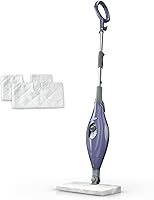
The Shark Steam Pocket Mop S3501 starts steaming in as little as 30 seconds. Its 4.9-pound weight and swivel steering suit buyers who carry a mop between rooms or work around furniture.
Choose this model for routine dirt and the option to use both pad sides. Skip it if recurring dried-on messes make a dedicated scrubber or powered scrubbing head your main priority.
Don't remove a tank or open a fill cap while the mop is hot or steaming. Follow the cooldown and refill procedure even if the tank empties halfway through a room.
Which steam setting should you choose?
Choose the lowest setting suitable for the floor and mess, within the flooring and mop instructions. More steam isn't automatically a better choice, particularly around joints and moisture-sensitive finishes.
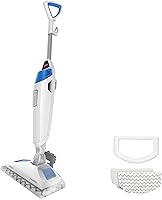
The Bissell PowerFresh 1940A offers 3 steam settings, a removable tank, and a 23-foot power cord. That combination suits buyers who want adjustable steam and fewer outlet changes across adjoining rooms.
Pick the PowerFresh for routine mopping with occasional spots that need its scrubber. Skip it if you specifically want rotating pads to provide the scrubbing action.
Don't raise the setting to compensate for a dirty pad. Change the pad first, then reassess the remaining mark before adding more heat or moisture.
How should you move the mop across the floor?
Use steady, overlapping passes at the manual's stated pace, keeping the head moving unless directed otherwise. Work in small sections from the far side of the room toward the doorway.
Keep the pad flat rather than pushing down hard on the handle. If a mark remains, use the model's approved scrub feature or address it separately with a floor-approved method.
The Shark Steam & Scrub S8001 combines rotating pads with Light, Normal, and Deep modes. Its LED headlights help reveal debris, but you still need to remove loose dirt before mopping.
Choose the S8001 when stuck-on dirt is a frequent problem and you want powered pad movement. Skip it if carrying weight matters most: it weighs 6.9 pounds, compared with the S3501's lighter build.
For sanitizing, use the exact setting, pad arrangement, movement, and contact time in the owner's guide. Ordinary cleaning passes don't automatically sanitize, and parking a steaming head on the floor isn't a safe shortcut.
When should you change the mop pad?
Change the pad when it becomes visibly dirty, leaves trails, or reaches the manual's change point. A saturated, dirty pad can spread soil into the next section.
Keep clean spares within reach before starting a larger room. Switch off, unplug, and allow safe handling time before changing or repositioning a pad.
With the S3501's double-sided pad, follow its instructions for flipping to the clean side. Once both sides are soiled, fit a fresh pad rather than trying to finish the room with it.
If the floor looks streaky, check the pad before making more passes. Old cleaning residue can also contribute, so use the flooring guide's residue-removal method instead of repeatedly steaming the same patch.
What should you do after steam mopping?
Unplug, cool, remove the pad, and store the mop dry according to its manual. Don't leave a wet pad resting on the floor while the machine sits between uses.
Let the floor dry before allowing foot traffic or replacing rugs. If water remains in streaks or puddles, wipe it up and review your setting, pad condition, and cleaning pace.
Wash reusable pads according to their care labels, including any limits on detergent, bleach, or fabric softener. Let them dry fully before storage, and inspect fasteners and fabric for wear.
Follow the machine's instructions for leftover water and mineral care. Don't improvise a vinegar flush, poke the steam outlet, or take apart electrical components to clear a blockage.
For more on cleaning results and limits, read whether steam mops really work.
What mistakes should you avoid with a steam mop?
The biggest mistakes are using steam on an unapproved floor, leaving grit behind, and adding excess heat or moisture. A stronger setting won't fix poor preparation or an unsuitable surface.
Avoid these habits:
- Holding the head still over a stubborn mark: use the approved spot-cleaning method instead.
- Continuing with a dirty pad: stop for a safe pad change.
- Treating fragrance as cleaner: use only approved accessories in their intended place.
- Assuming every pass sanitizes: follow the separate sanitizing directions.
- Leaving the mop running unattended: switch off and unplug when you stop.
- Steaming toward people, pets, outlets, or appliances: keep the steam head directed at the approved floor.
If you mainly want simple damp cleaning, compare steam mops and regular mops. If collecting crumbs and liquid is the priority, read steam mops versus wet-dry vacuum mops.
How do you choose a steam mop for your routine?
Choose by floor approval first, then scrubbing needs, carrying weight, and upkeep. Tank size and extra modes matter less if you won't use steam on most of your floors.
Pick the S3501 for a lighter machine and routine cleaning, the PowerFresh for adjustable steam with a flip-down scrubber, or the S8001 for rotating pads that address frequent stuck-on dirt.
Before ordering, check where you'll plug in, store the machine, and wash its pads. Compare those needs in our best steam mop picks, or use our steam mop guide for broader selection help.
How to use a steam mop safely for your next clean
Knowing how to use a steam mop means matching the method to your floor and stopping when the pad needs attention. Start with a small, approved area and check that the floor dries without lingering wet patches.
Buy for the work you do most: routine dirt favors a lighter mop, occasional dried-on spots favor a scrubber, and recurring stuck-on messes favor powered scrubbing. For wood floors, make your final compatibility check with our guide to steam mops for hardwood floors.
Frequently asked questions
Do you sweep before using a steam mop?
Yes, sweep or vacuum first to remove grit, hair, and loose debris before steam mopping. A steam mop cleans with a heated, damp pad rather than collecting dry dirt, so removing debris first helps keep the pad cleaner and reduces grit dragged across the floor.
Can you use a steam mop on any floor?
No, use steam only when both the flooring care instructions and mop manual approve it for your floor. A sealed surface alone isn't enough: worn finishes, damaged seams, and some flooring materials can be harmed by heat or moisture, so confirm compatibility before you begin.
Should you use cleaner in a steam mop?
Use only the water or approved solution named in your steam mop manual, since some models use water alone. Don't pour scented oils, floor soap, vinegar, or disinfectant into the tank unless the manual allows it, as unapproved additives may damage the machine or leave residue.
How slowly should you move a steam mop?
Move at the pace given in your mop's instructions, using overlapping passes and avoiding a stationary, steaming head unless specifically directed. Sanitizing requires the exact method and contact time in the owner's guide, so ordinary cleaning passes shouldn't be assumed to sanitize the floor.