5 Best Steam Mops for Tile Floors (October 2026)
The best steam mops for tile floors include the Shark Steam & Scrub S8001 for everyday tile cleaning, the Bissell PowerFresh 1940A for dirty grout lines, and the Shark Steam & Scrub S8201 for recurring sticky spills.
On this page (8 sections)
- Which steam mops work best on tile floors?
- The best steam mops for tile floors
- What should you check before steaming tile?
- Which features matter most for tile and grout?
- How should you set up and use a steam mop on tile?
- Which steam-mopping mistakes leave tile streaky or damp?
- How do you care for the mop and pads?
- Which steam mop should you choose for your tile floors?
The Shark Steam & Scrub S8001 is the best steam mop for tile floors if you want automatic scrubbing for everyday dirt and dried spots. Choose the Bissell PowerFresh 1940A for grime along grout lines, or the Shark SteamSpot S2001 when low weight matters most.
Start with the floor, then choose the mop. Steam is an option only when the care instructions for your tile, grout and finish allow it.
See our best steam mops guide for broader picks. For adjoining rooms, check our guides to steam mops for hardwood floors and steam mops for laminate floors before carrying the same cleaning routine across different surfaces.
Our picks at a glance
-
1

-
2

-
3

- 4
 Check it
Bissell PowerFresh Deluxe 1806
Best for focused spot cleaning - 5
 Best for small kitchensCheck it
Which steam mops work best on tile floors?
Match the scrubbing tool to your main mess: rotating pads for broad floor cleaning, a grout scrubber for dirty joints, or targeted steam for isolated stuck-on spots. Weight and pad changes should settle the choice between otherwise suitable models.
TidilyKept compared the scrubbing systems, steam controls, carrying weights and included pads. The order favors a useful mix for tile cleaning, while the individual recommendations explain when a lower-ranked model makes more sense.
A kitchen with dried food spots calls for different tools than a bathroom with grime concentrated between tiles. Choose for the cleaning job you repeat most often, rather than the toughest mess you encounter once a year.
| Product | Best for | Steam modes | Scrubbing system | Weight | Our score |
|---|---|---|---|---|---|
| Shark Steam & Scrub S8001 | everyday tile cleaning | Light, Normal, Deep | Powered rotating pads | 6.9 lb | 9.2 |
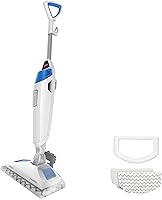
| Bissell PowerFresh 1940A | dirty grout lines | 3 settings | Flip-down Easy Scrubber | 6.2 lb | 9.1 |
| Shark Steam & Scrub S8201 | recurring sticky spills | Light, Normal, Deep | Powered rotating pads with targeted steam | 8.9 lb | 8.5 |
| Bissell PowerFresh Deluxe 1806 | focused spot cleaning | High and Low | Detachable SpotBoost Brush | 6.2 lb | 8.3 |
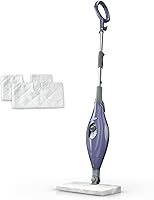
| Shark SteamSpot S2001 | small kitchens | Light, Normal, Deep | Textured pads with targeted steam | 4.8 lb | 7.8 |
The best steam mops for tile floors
The S8001 is the broadest fit, while the other models address more specific needs. The differences below matter more than choosing the model with the most controls.
Shark Steam & Scrub S8001
- Automatic rotating-pad scrubbing
- Light, Normal and Deep steam modes
- 4 washable pads included
- LED headlights
A strong choice for kitchens and other tile areas that collect both daily dirt and dried spots. Powered pads provide repeated scrubbing while you guide the mop.
Pros
- Automatic scrubbing across the floor
- 4 washable pads support pad changes
- Removable tank for refilling
Cons
- No targeted Steam Blaster
- Heavier than the SteamSpot
Shark S8001: the best steam mop for everyday tile floors
Choose the Shark Steam & Scrub S8001 when most cleaning involves moving across tiled rooms, with occasional dried spots along the way. Its powered rotating pads provide repeated scrubbing while you guide the head.
The pads deliver over 150 scrubs per minute, and the Light, Normal and Deep modes let you adjust steam to the job. That combination suits a kitchen where ordinary tracked-in dirt and stuck-on food share the same floor.
The removable tank holds 11.83 fl oz. Four machine-washable pads give you a useful starting supply for changing soiled pads during a clean and laundering them afterward.
LED headlights help reveal debris in dim areas, but clear that debris before steaming. Light makes grit easier to see; it doesn't replace sweeping or vacuuming.
At 6.9 lb, this is a better match for floor-level cleaning than for someone whose main concern is carrying the lightest mop between rooms. It also lacks the targeted Steam Blaster found on the S8201.
Skip it if grout joints dominate the job. The PowerFresh 1940A gives you a scrubber designed for grout buildup, while this Shark's main advantage is powered pad work across the tile surface.
Bissell PowerFresh 1940A
- Flip-down Easy Scrubber
- 3 steam settings
- 23 ft power cord
- Washable microfiber pads
Choose this model when grime along grout lines needs focused attention. The built-in scrubber lets you work on dried buildup before returning to broad floor passes.
Pros
- Scrubber designed for grout buildup
- Removable 16 fl oz tank
- Long cord for moving across rooms
Cons
- No automatic rotating-pad scrubbing
- Cord needs an outlet within reach
Bissell PowerFresh 1940A: choose it for grout buildup
Choose the Bissell PowerFresh 1940A when dirt collects along grout lines and dried spills need focused scrubbing. Its flip-down Easy Scrubber addresses those areas without requiring a separate loose brush.
This makes it a practical choice for smaller tiles with many joints, provided the floor permits steam. Work on the dirty lines, then use the microfiber pad to collect loosened grime from the surrounding surface.
Three steam settings let you adjust output for routine cleaning or tougher spots. The removable 16 fl oz tank can be refilled at the sink, and the 23 ft cord helps you plan a route from an outlet.
The mop weighs 6.2 lb and uses washable pads. Its scrubber supplies focused mechanical action, but you still guide the mop and work on the areas that need attention.
Skip it if you want automatic scrubbing across a whole room. The S8001 is the closer fit for that routine.
Don't choose the PowerFresh expecting it to restore every dark grout line. Dirt can loosen with cleaning, but discoloration, worn sealant and damaged grout are separate problems that need their own care.
Shark Steam & Scrub S8201
- Touch-controlled Steam Blaster
- Automatic rotating-pad scrubbing
- 3 steam modes
- LED headlights
Combines powered pad scrubbing with a targeted steam burst for stubborn spots. It suits buyers who want both tools and don't mind carrying a heavier mop.
Pros
- Targeted steam for stubborn spots
- 4 machine-washable pads included
- Removable water tank
Cons
- Heaviest model in this group
- Extra spot control may be unnecessary for light dirt
Shark S8201: choose it for stubborn spots across busy rooms
Choose the Shark Steam & Scrub S8201 when you want powered pad scrubbing plus a targeted steam burst. Its touch-controlled Steam Blaster gives you a focused tool for stubborn patches rather than increasing steam across the entire floor.
That makes it a good fit for a kitchen or dining area where sticky spots regularly interrupt routine mopping. Use the spot control where permitted, then return to normal floor passes.
The rotating pads deliver over 150 scrubs per minute, with Light, Normal and Deep steam modes. LED headlights, a removable tank and 4 machine-washable pads round out the floor-cleaning setup.
The main tradeoff is 8.9 lb of carrying weight, the highest in this group. Think about moving it from storage, lifting it over thresholds and carrying it upstairs, not just steering it while cleaning.
Skip it if most messes are light dirt or fresh spills. The S8001 provides powered scrubbing without adding a spot feature you may rarely use.
Also skip it if easier carrying is your priority. The SteamSpot supplies targeted steam in a lighter body, though it doesn't provide powered rotating pads.
Bissell PowerFresh Deluxe 1806
- Detachable SpotBoost Brush
- High and Low steam modes
- 30-second warm-up
- Measuring cup for refilling
A useful fit when isolated sticky patches need brush work. Two steam settings keep the controls simple for routine floor passes and focused cleanup.
Pros
- SpotBoost Brush for dried grime
- Simple steam controls
- Compatible with optional fragrance discs
Cons
- Fewer steam choices than the other picks
- No automatic rotating-pad scrubbing
Bissell PowerFresh Deluxe 1806: choose it for brush work
Choose the Bissell PowerFresh Deluxe 1806 when isolated sticky patches are your main frustration and you prefer simple controls. Its detachable SpotBoost Brush is designed for stuck-on messes and dried grime.
This approach suits someone who wants to pause broad mopping, give a small area focused brush attention and then continue. It is a different cleaning routine from letting powered pads scrub throughout a room.
High and Low steam modes keep the choice straightforward, and warm-up takes 30 seconds. The tank holds 0.56 liters and is filled with the included measuring cup.
At 6.2 lb, the Deluxe matches the PowerFresh 1940A's weight. Optional Spring Breeze fragrance discs add scent through the intended holder, but fragrance isn't needed to remove dirt.
Skip it if you want a middle steam setting or powered rotating-pad scrubbing. The other models provide more steam choices, while the two Steam & Scrub models handle pad rotation automatically.
If grout buildup is your main concern, favor the PowerFresh 1940A's grout-focused scrubber. Choose the Deluxe because its SpotBoost Brush fits your spot-cleaning routine, rather than assuming the Deluxe name makes it the better tool for every tiled floor.
Shark SteamSpot S2001
- 4.8 lb weight
- Targeted Steam Blaster
- 3 steam modes
- Everyday and scrub pads included
The lightest pick here suits smaller tile areas and frequent moves around furniture. Two pad types let you match the pad to everyday dirt or stuck-on spots.
Pros
- Lightest model in this group
- 500 ml removable tank
- 25-second heat time
Cons
- Only 2 pads included
- No powered rotating pads
Shark SteamSpot S2001: choose it for easier carrying
Choose the Shark SteamSpot S2001 for smaller tile areas, tight furniture layouts and frequent moves from storage to the floor. At 4.8 lb, it is the lightest option here.
Its Steam Blaster targets stubborn spots, while Light, Normal and Deep modes cover different cleaning needs. The distinction from the larger Sharks is the pad system: you move textured pads across the floor without powered rotation.
One machine-washable Dirt Grip pad handles everyday dirt, and one machine-washable Scrub pad provides another option for stuck-on messes. Two pads are a modest supply if you clean several dirty rooms in one session.
The removable tank holds 500 ml, and heat time is 25 seconds. Those features suit short cleaning sessions without making low weight the model's only useful quality.
Skip it if you want automatic scrubbing or expect to change pads repeatedly across a large floor. Consider the S8001 for powered pad work and a larger included pad supply.
For a small kitchen with chair legs, narrow passages and occasional dried spills, the SteamSpot is a more sensible match than choosing a heavier model solely for its higher score.
What should you check before steaming tile?
Check the whole floor installation, including the grout, sealant and finish, before using steam. A mop's sealed-floor guidance doesn't override the care instructions for your particular floor.
Ceramic and porcelain tiles can have finishes or surrounding materials with their own care limits. Natural stone needs material-specific advice, so don't assume every floor called “tile” should receive the same treatment.
Inspect for loose tiles, cracked grout, missing joints and peeling surface coatings. Repair or get care advice for those areas rather than directing steam into them.
If you don't know what the floor is made of, identify it first through installation records, the manufacturer or a flooring professional. An inconspicuous trial can't establish long-term compatibility for an unknown finish.
For an approved floor, follow any instructions about trying a small hidden area before proceeding. Let it dry and look for surface changes before cleaning a larger section.
At room transitions, stop and check the next surface. Permission to steam the kitchen tile doesn't carry over to wood, laminate or a different type of tile nearby.
Which features matter most for tile and grout?
Prioritize scrubbing style, handling and pad supply, in that order. Extra steam controls are useful only if they support a cleaning method your floor permits.
Match the head to flat tile or recessed grout
Powered rotating pads make sense when dirt is spread across the tile faces. A focused scrubber is more useful when grime sits in joints that a broad pad may not reach evenly.
Deep or uneven grout lines can need separate brush work even after the surrounding tile looks clean. Don't keep soaking the whole floor to solve one narrow dirty line.
Textured tile also deserves attention when choosing your routine. Dirt can remain in low areas, so work in manageable sections and inspect them after drying instead of judging only by the wet surface.
Choose for carrying as well as steering
A mop can be easy to guide on the floor yet awkward to carry upstairs or retrieve from a crowded closet. Compare carrying weight with the route between storage, the sink and your tiled rooms.
Tank capacity matters most when refills interrupt a long session. A larger tank doesn't guarantee a particular runtime, since steam setting and how you use the mop affect water consumption.
For corded cleaning, plan around usable outlets and a route that keeps the cord behind you. Don't pull against the cord to reach the last corner or stretch it across a walking path.
Plan enough clean pads for your floor
A clean pad collects loosened dirt; a heavily soiled one can spread it into the next section. Larger floors and greasy kitchen areas can need pad changes before the room is finished.
Check compatible replacement pads before choosing a model. A supply that covers cleaning day and laundry day is more useful than repeatedly washing one pad just to finish the floor.
Separate pad types can help you distinguish routine mopping from stubborn-spot work. Keep pads used around toilets separate from those used in the kitchen.
How should you set up and use a steam mop on tile?
Remove loose dirt, fit a clean pad and follow the model's water and steam instructions. A little preparation prevents grit, dirty pads and excess moisture from undermining the clean.
For a full walkthrough, see our guide on how to use a steam mop. Use your model's manual for assembly, controls and any special operating steps.
Prepare a clear route before heating
Move chairs, small rugs and loose items out of the way before starting. Begin at the far side of the room and work toward the exit so you won't need to walk across damp tile.
Sweep or vacuum the joints and edges as well as the open floor. Wipe up large wet spills and remove food pieces before steaming.
With the mop unplugged and cool, attach the correct pad securely and fill as directed. Keep within the fill limit and use the water type recommended for your model.
Adjust steam to the dirt
Start with the lowest suitable setting and increase only when needed and allowed. Routine dust and light marks don't call for the same approach as dried food.
Move at the pace described in the manual. Don't park a steaming head in one spot while moving furniture, answering a call or changing outlets.
For a stubborn patch, use the model's approved spot-cleaning method. Follow with a clean section of pad to collect the loosened dirt rather than spreading it around.
Check the floor as you work
Look behind the mop for visible moisture and dirt trails. If the pad is saturated or visibly dirty, stop safely and change it according to the manual.
Allow the floor to dry before replacing rugs or letting people and pets cross it. If a dull film remains, investigate pad cleanliness and old cleaner residue before adding more steam.
Which steam-mopping mistakes leave tile streaky or damp?
Dirty pads, leftover cleaner and too much moisture are the first things to check. Repeating the same pass with the same dirty pad usually won't solve the problem.
Adding detergent to the water tank
Keep detergent, vinegar, essential oils and fragrance liquids out unless the manual expressly allows them. A steam mop's water system isn't a mixing tank for ordinary floor cleaner.
Where compatible fragrance discs are used, place them only in the designated holder. Scent doesn't show whether dirt has been removed.
Trying to remove grit with steam
Steam loosens dirt but doesn't replace dry debris pickup. Crumbs, hair and grit should be removed before the mop reaches the floor.
If you want one machine to collect debris and wash the floor, compare a cordless wet-dry floor cleaner. That is a different job from steam mopping a floor you've already cleared.
Treating every dark mark as dirt
Dark grout can reflect staining or material wear, not just removable grime. Stop escalating heat or pressure when ordinary cleaning no longer changes the mark.
Steam also won't repair chipped tile, failed grout or worn sealant. Those need care suited to the material and damage.
Confusing a cleaning pass with sanitizing
A quick pass that removes visible dirt isn't automatically a sanitizing pass. Shark and Bissell tie sanitizing claims to their directions, so follow the exact procedure if that is your goal.
Our guide to how steam mops work explains the difference between loosening dirt and making broader cleaning claims.
How do you care for the mop and pads?
Clean the pads after use and let the mop cool before putting it away. Storing it with a dirty, damp pad leaves the next cleanup starting with yesterday's grime.
Unplug the mop and follow the manual's cooling instructions before touching the pad or handling hot parts. Never rush a pad change while steam is active.
Wash reusable pads according to their care directions. Avoid fabric softener unless specifically allowed, since it can leave a coating that reduces absorbency.
Let pads dry fully before storage, and inspect them for trapped grit or worn fabric. Replace pads that no longer attach securely or clean properly.
Follow the manual for emptying the tank and caring for steam outlets. If steam output drops, check the approved troubleshooting steps instead of improvising with descaling chemicals.
Hard water can leave mineral buildup, so use the recommended water and maintenance routine from the start. Don't assume a vinegar rinse is safe for every model.
Which steam mop should you choose for your tile floors?
The best steam mop for tile floors is the one that fits your repeated cleaning job and your floor's care limits. Choose the S8001 for broad automatic scrubbing, then move to a more specialized pick only when its main feature solves a regular problem.
- Choose the Bissell PowerFresh 1940A for grime concentrated along grout lines.
- Choose the Shark S8201 for powered scrubbing plus targeted steam on recurring sticky spots, if its carrying weight suits you.
- Choose the Bissell PowerFresh Deluxe 1806 for focused brush work and simple steam controls.
- Choose the Shark SteamSpot S2001 for small kitchens and easier carrying around the home.
If your main problem is picking up crumbs, hair and wet spills together, settle the tool choice before choosing a steam mop. Our steam mop versus wet-dry vacuum guide will help you decide which cleaning routine fits your tile.
Our top 3 picks at a glance
-
1
-
2
-
3
Frequently asked questions
Are steam mops safe for tile floors?
Use a steam mop only when the tile care instructions and mop manual both permit steam. Check the grout, sealant and surface finish as well as the tile itself.
Avoid steaming damaged areas, and get clear care advice for natural stone or an unknown floor finish before cleaning.
Can a steam mop clean grout?
A steam mop can loosen surface grime along grout lines, especially when it has a scrubber suited to that job. The Bissell PowerFresh 1940A includes a flip-down Easy Scrubber for grout buildup.
Deep stains, missing grout and worn sealant need separate attention; repeated steam passes won't repair them.
What steam setting should I use on tile?
Start with the lowest steam setting allowed by your floor instructions and mop manual, then increase only if needed and permitted. More steam isn't automatically better for a light cleanup.
Keep the mop moving as directed, and follow the separate contact-time instructions if your goal is sanitizing.
Do steam mops need cleaning solution?
Use the water specified in your mop manual, and don't add cleaning solution unless the instructions expressly allow it. Keep detergent, vinegar, oils and fragrance liquids out of the tank unless approved.
Compatible Bissell scent discs belong in their designated holder, not dissolved in the water.
How often should you steam mop tile?
Steam mop when the tile needs it, within the floor manufacturer's care limits. A busy kitchen may need attention sooner than a rarely used tiled room.
Remove loose dirt between washes, clean spills promptly and change dirty pads during cleaning instead of making extra passes with a soiled pad.