Steam Mop vs Regular Mop: Which Cleans Better? (October 2026)
For steam mop vs regular mop, choose steam for steam-approved floors and water-only cleaning. Choose a regular mop for control over moisture and floor-safe cleaner, especially when your floor doesn't allow steam.
On this page (10 sections)
- Steam mop vs regular mop: which should you choose?
- Which mop is safer for your floor?
- Which method handles sticky spills and everyday dirt?
- Which electric option fits your routine?
- How do you set up each mop without making extra work?
- What common mistakes leave floors dirty or too wet?
- Does steam cleaning mean sanitizing?
- What care does each mop need after cleaning?
- What should you compare beyond the mop itself?
- Steam mop vs regular mop: make the final choice
For steam mop vs regular mop, choose steam for a floor that permits it and a regular mop for control over moisture and cleaner. Neither removes the need to clear crumbs, use a clean pad and follow your floor's care directions.
A regular mop here means a manual flat, spray or bucket mop. The electric options below show where steam, powered scrubbing and vacuum pickup fit, so you can decide whether you need a machine at all.


Steam mop vs regular mop: which should you choose?
Choose a regular mop for flexible damp cleaning and a steam mop when your floor allows heat and you prefer cleaning with water alone. Floor compatibility comes first, followed by the mess and the work involved before and after mopping.
A steam mop heats water and sends steam through a cleaning pad. Heat helps loosen soil, while the pad collects dirt as you move it across the floor.
A regular mop relies on a damp head, your movement and any approved cleaner you use. A wrung-out flat mop can handle a small area without filling a large bucket.
Use these starting points:
- Choose steam for approved floors when you want to avoid mixing floor cleaner.
- Choose a manual mop for small spills, mixed flooring or rooms without convenient outlets.
- Choose powered scrubbing when moving the mop back and forth is the part you want help with.
- Choose vacuum pickup plus spray mopping when crumbs and damp marks usually arrive together.
The SpinWave is a powered non-steam mop, while the VACMOP combines suction and spray. Neither represents the simple manual mop that many homes can use without adding another appliance.
Which mop is safer for your floor?
The safer choice is the method your flooring maker approves, used with the right amount of moisture. A floor's material name alone doesn't tell you whether its finish, joints and installation can tolerate steam.
Tile, for example, may share a room with wood trim or another surface that needs different care. Check the whole cleaning area, including transitions, rather than assuming one method suits everything.
Shark describes the S3501 as suitable for sealed hard floors, including hardwood, marble, tile, stone, laminate and vinyl. Your floor's own steam restrictions still apply.
A regular mop also needs care. A dripping head or puddle can push water into seams, so wring thoroughly and avoid leaving wet areas behind.
Can you steam mop hardwood floors?
Use steam on hardwood only with explicit approval from the flooring maker. A sealed finish doesn't remove every concern about heat or moisture entering joints.
Our guide to steam mopping hardwood floors explains the checks to make. If you can't identify the flooring or its care instructions, confirm an approved cleaning method before using steam.
For room-by-room planning, see our guide to choosing a steam mop for different floor types. Homes with several floor materials may be better served by a manual mop and separate care routines.
Which method handles sticky spills and everyday dirt?
A floor-safe cleaner and controlled scrubbing are useful for sticky residue, while steam offers a water-only route on approved surfaces. The right method depends on what needs removing, rather than which tool looks more powerful.
For a fresh spill, lift the bulk with an absorbent cloth before mopping. Spreading a puddle across the room creates more work and loads the mop head with liquid.
For dried food, remove loose pieces and clean a small area at a time. Give an approved cleaner the contact time its directions allow, then wipe or rinse as instructed.
A steam mop can help loosen dried soil, but don't park the hot head over one spot to force the result. Keep it moving as directed and change the pad when it becomes dirty.
Greasy marks may need a compatible cleaner rather than repeated passes with water. If the floor feels sticky afterward, check for leftover soil or cleaner residue before adding more solution.
Does a steam mop replace sweeping compared with a regular mop?
Both steam and regular mops need loose debris removed first. Hair, grit and crumbs fill cleaning pads quickly and can get dragged across the finish.
Sweep or vacuum edges, corners and beneath the table before wet cleaning. For a small dry mess, that step may be all the floor needs.
A vacuum-and-spray device changes that routine by collecting debris before damp cleanup. It doesn't turn steam mopping into a one-step process.
Which electric option fits your routine?
The S3501 suits water-only cleaning, the SpinWave suits powered scrubbing, and the VACMOP suits crumbs followed by spray mopping. Choose among them only after deciding which task you want the machine to handle.
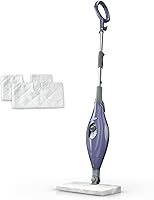
Shark Steam Pocket Mop S3501: for approved floors without mixed cleaner
Choose the S3501 if your floor permits steam and you want reusable pads without a bucket of solution. It weighs 4.9 lb, has swivel steering and starts steaming in as little as 30 seconds.
Its 2 machine-washable, double-sided pads let you flip to another cleaning surface during a session. That helps when a pad gets soiled before you've finished the room, though both sides still need washing afterward.
Skip it if steam is barred by your flooring instructions or if your main goal is collecting crumbs. It also needs a usable outlet and a cord route that stays clear of your feet.
Bissell SpinWave Hard Floor: for help moving the cleaning pads
Choose the SpinWave if you want motorized pad movement without steam. Its on-demand spray applies solution where needed, while the removable clean-water tank has a filling guide for small and large areas.
It includes 2 scrubby pads and 4 soft-touch pads, giving you separate options for sticky messes and routine cleaning. Match both the pad and formula to the floor's care instructions.
Skip it if a light manual mop already handles your routine comfortably. You still need to remove loose debris, manage a cord and wash the pads, so the main reason to choose it is help with scrubbing.
Shark VACMOP VM252: for small messes with crumbs and damp marks
Choose the VACMOP when you want suction followed by spray mopping with the same device. Dry debris collects in the disposable pad's built-in chamber, and a button releases the pad without touching the dirty surface.
Its cordless design suits moving between rooms, while LED headlights help illuminate debris. Plan a charging spot and keep spare pads available before relying on it for daily cleanup.
Skip it if avoiding disposable supplies is a priority. This is also a different approach from steam or a floor washer with separate clean- and dirty-water tanks.
How do you set up each mop without making extra work?
Clear the floor and prepare clean pads before adding water. Then plan a route toward the exit so you don't walk over the area you've just cleaned.
Move chairs and light obstacles first. Deal with loose debris and larger spills before attaching a fresh head or pad.
Set up a steam mop
Attach the pad and fill the reservoir in the order the manual gives. Use the specified water type, and don't add cleaner, fragrance, vinegar or other additives unless the instructions explicitly permit them.
Check the cord route before switching on. Keep the cable away from the cleaning path, and wait for the mop's ready signal or stated heat-up period.
Use only the settings and movement the manual allows for your floor. Our guide to using a steam mop walks through the routine in more detail.
Set up a regular mop
Start with a clean head and the smallest practical amount of water or approved cleaning mix. Measure concentrate rather than pouring by eye.
Wring a bucket-mop head thoroughly, or apply spray sparingly with a spray mop. Work in small sections and rinse or change the head as it becomes soiled.
Replace dirty bucket water instead of carrying it through the whole home. With reusable flat pads, keep a clean spare nearby so a pad change doesn't interrupt the job.
What common mistakes leave floors dirty or too wet?
Dirty pads, excess liquid and too much cleaner cause many avoidable mopping problems. Fix those before assuming you need a stronger machine or more passes.
- Mopping over grit: Remove loose debris first so the head can collect soil rather than push particles around.
- Using one dirty pad everywhere: Change or rinse it when soiled, especially before moving into another room.
- Adding extra concentrate: Follow dilution directions; more cleaner can leave a film instead of a cleaner floor.
- Soaking seams and edges: Use controlled moisture and remove standing water promptly.
- Holding steam in place: Follow the prescribed movement rather than leaving a hot head stationary.
- Mixing cleaning products: Use one suitable cleaner according to its directions.
A dull or streaky result can come from a dirty head or leftover solution. Start with a fresh pad and check whether the cleaner requires a rinse before repeating the whole floor.
Keep people and pets off wet areas until they're dry. Work in sections if you need to leave a clear path through the room.
Does steam cleaning mean sanitizing?
Steam cleaning and sanitizing aren't interchangeable claims. Removing visible dirt is one task; meeting a sanitizing instruction may require a specific procedure.
Shark says the S3501 removes 99.9% of common household bacteria when used according to its sanitization instructions. Follow the owner's guide for the required method, and check that your floor permits that use.
A quick pass isn't enough to assume you've met those directions. Avoid choosing a steam mop solely because you expect every routine cleaning pass to sanitize.
Regular floor cleaner also doesn't automatically disinfect. For more on what steam can do, read whether steam mops really work.
What care does each mop need after cleaning?
Clean and dry the parts that hold dirt or water before putting the mop away. A dirty, damp head leaves you starting the next job with yesterday's soil.
For an electric mop, switch off and unplug before care, then let hot parts cool as directed. Remove reusable pads and wash them according to their instructions.
Avoid laundry additives that the pad's care directions prohibit. Let pads dry fully before storage, and keep clean ones separate from used ones.
For a steam mop, follow the manual for leftover water and reservoir care. Don't improvise a descaling mix, since acceptable cleaning methods differ between machines.
Rinse a manual mop head thoroughly and clean the bucket after emptying it. Store the head where air can reach it rather than leaving it sitting in rinse water.
Disposable-pad systems trade laundry for replacement supplies. Keep pads dry in storage and discard used ones as directed.
What should you compare beyond the mop itself?
Compare the whole cleaning routine, including supplies, storage and power access. The easiest mop to use is the one you can also refill, clean and put away without avoiding the job.
A manual flat or spray mop suits quick cleanup where carrying a bucket would feel excessive. A bucket mop needs somewhere to fill, empty and store the bucket.
Steam adds heating and cord management, while cordless equipment adds charging. Reusable pads need laundry; disposable pads need a steady supply of replacements.
For larger rooms, think about where you'll stop to change pads or outlets. If tile makes up most of your steam-approved area, compare steam mops for tile floors with that layout in mind.
Our guide to choosing a steam mop for hard floors covers the features worth comparing. If you're still deciding whether another appliance earns its space, read whether a steam mop is worth it.
Steam mop vs regular mop: make the final choice
Choose a regular mop if you need one flexible tool for approved damp cleaning across several rooms. It's also the practical starting point when your floor doesn't allow steam or your messes are mostly small spills.
Choose a steam mop when your floor explicitly permits it, you prefer water-only cleaning and you're willing to manage a cord and pad laundry. Pick powered scrubbing instead if moving the pads is the work you want help with.
Before ordering, settle 3 details: your floor's approved method, where the mop will live and how you'll handle dirty pads. Those answers make the steam mop vs regular mop decision far clearer than heat alone.
If loose-debris pickup is your priority, compare a steam mop with a wet-dry vacuum mop next.
For Shark equipment manuals and care guidance, use Shark's official website.
Frequently asked questions
Does a steam mop clean better than a regular mop?
A steam mop suits steam-approved floors when you want heat and water to loosen dirt, while a regular mop gives you control over cleaner and moisture. Neither wins on every mess.
Clean pads, loose-debris removal and a method suited to your floor matter more than choosing heat alone.
Can I use a steam mop on every hard floor?
No, use steam only when your flooring maker permits it for your exact floor and finish. A sealed surface isn't automatic approval for heat.
Follow both the floor's care instructions and the mop manual, and use an approved damp-cleaning method if steam guidance is missing or unclear.
Do regular mops need a cleaning solution?
A regular mop can use water or a floor-safe cleaner, depending on the surface and the mess. Follow the floor's care directions and the cleaner's dilution instructions.
Extra cleaner can leave residue, so measure it carefully, avoid mixing products and rinse only when the directions call for it.
Is a steam mop a vacuum?
No, a steam mop loosens dirt with heated water and collects it on a pad; it doesn't suck up loose debris. Sweep or vacuum first.
A device such as the Shark VACMOP VM252 instead combines dry-debris suction with spray mopping, which is a different cleaning method from steam.
Which mop is easier to maintain?
A manual mop has simpler equipment, but you still need to wash and dry its head and clean any bucket. A steam mop adds reservoir care and electrical storage precautions.
Choose around the cleanup you'll actually do, including laundering reusable pads or keeping replacement disposable pads on hand.